
THE FEMALE GAZE: ART, POP CULTURE, AND CINEMA
THE FEMALE GAZE: ART, POP CULTURE, AND CINEMA
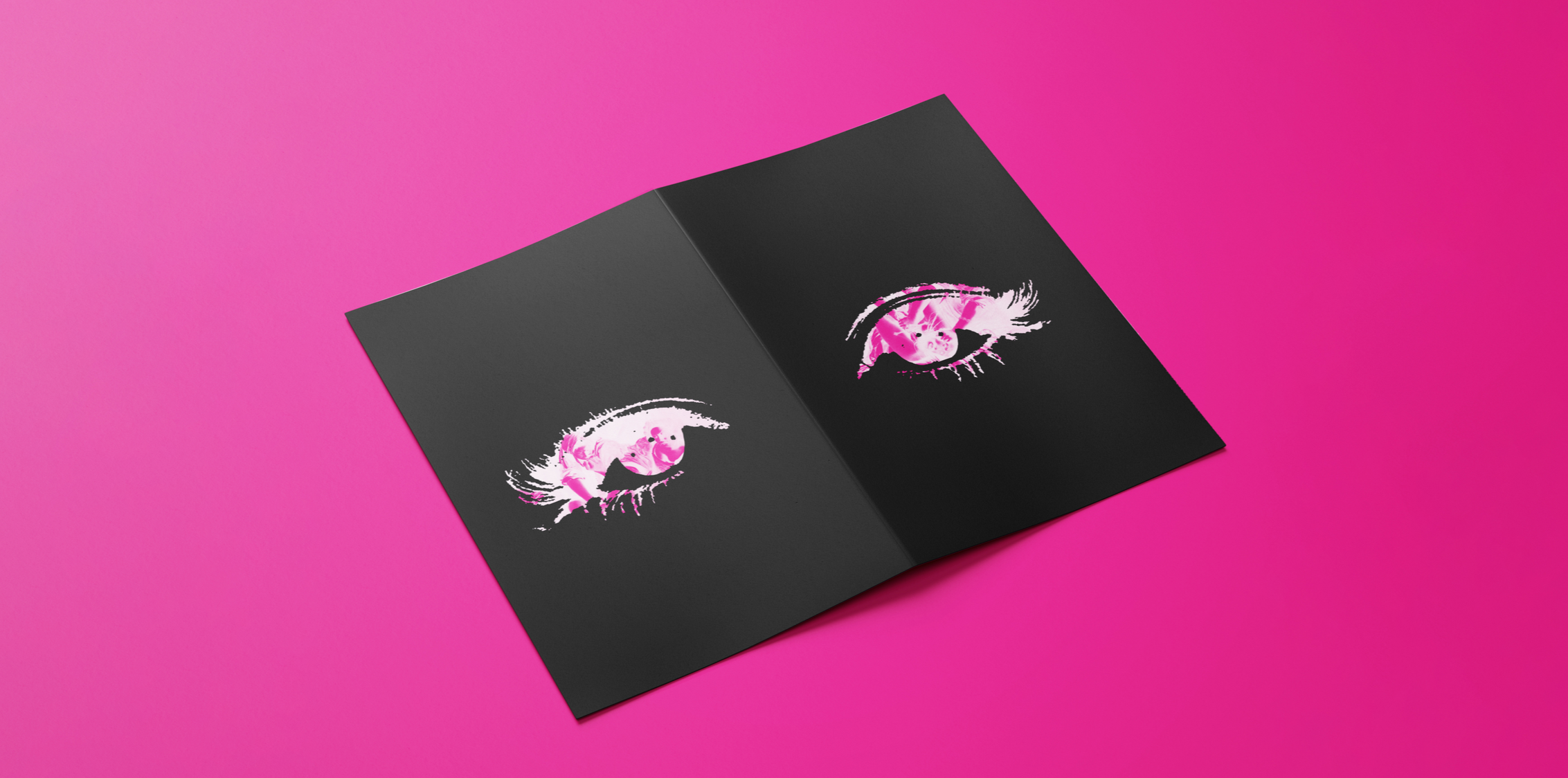
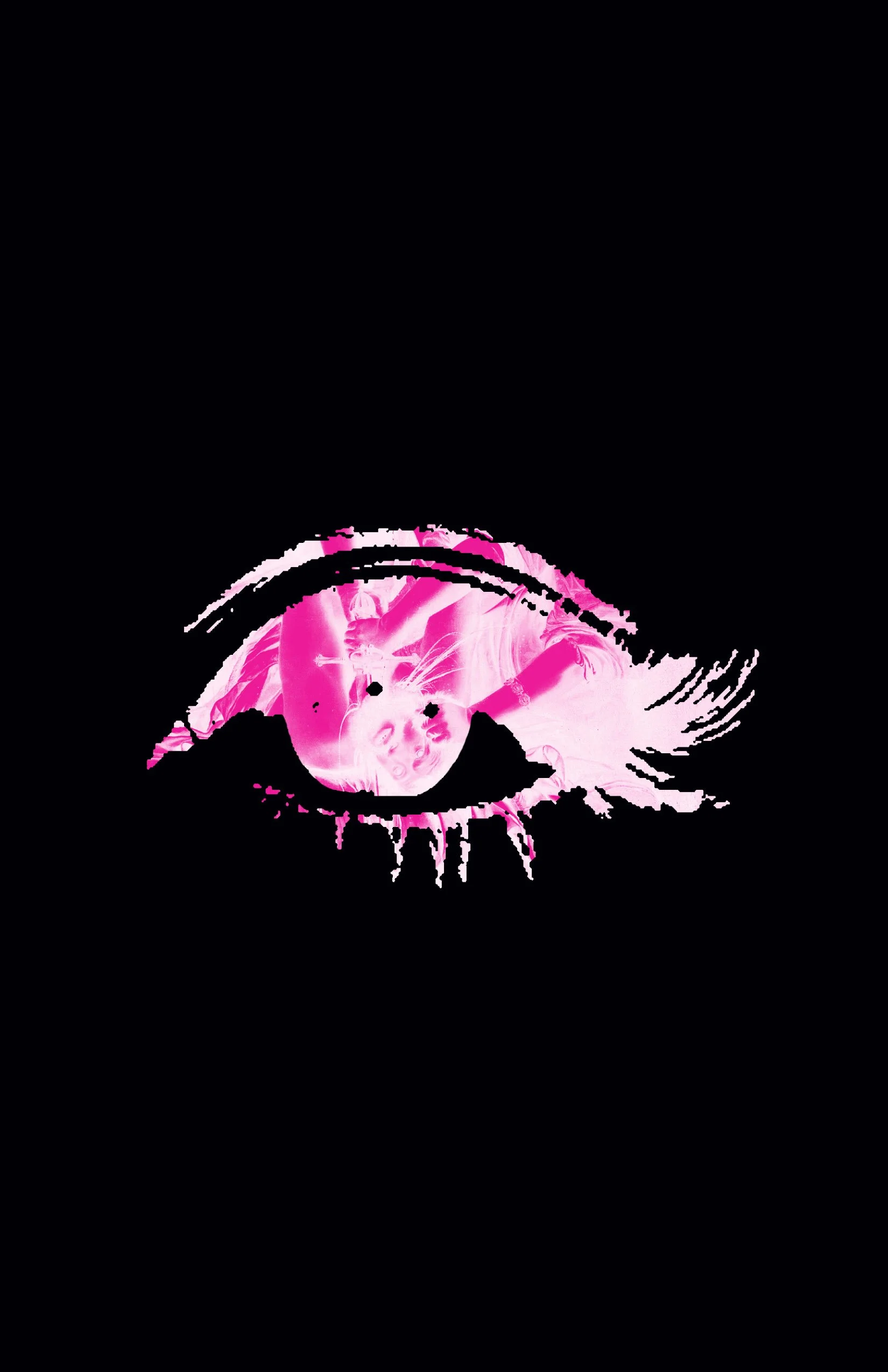
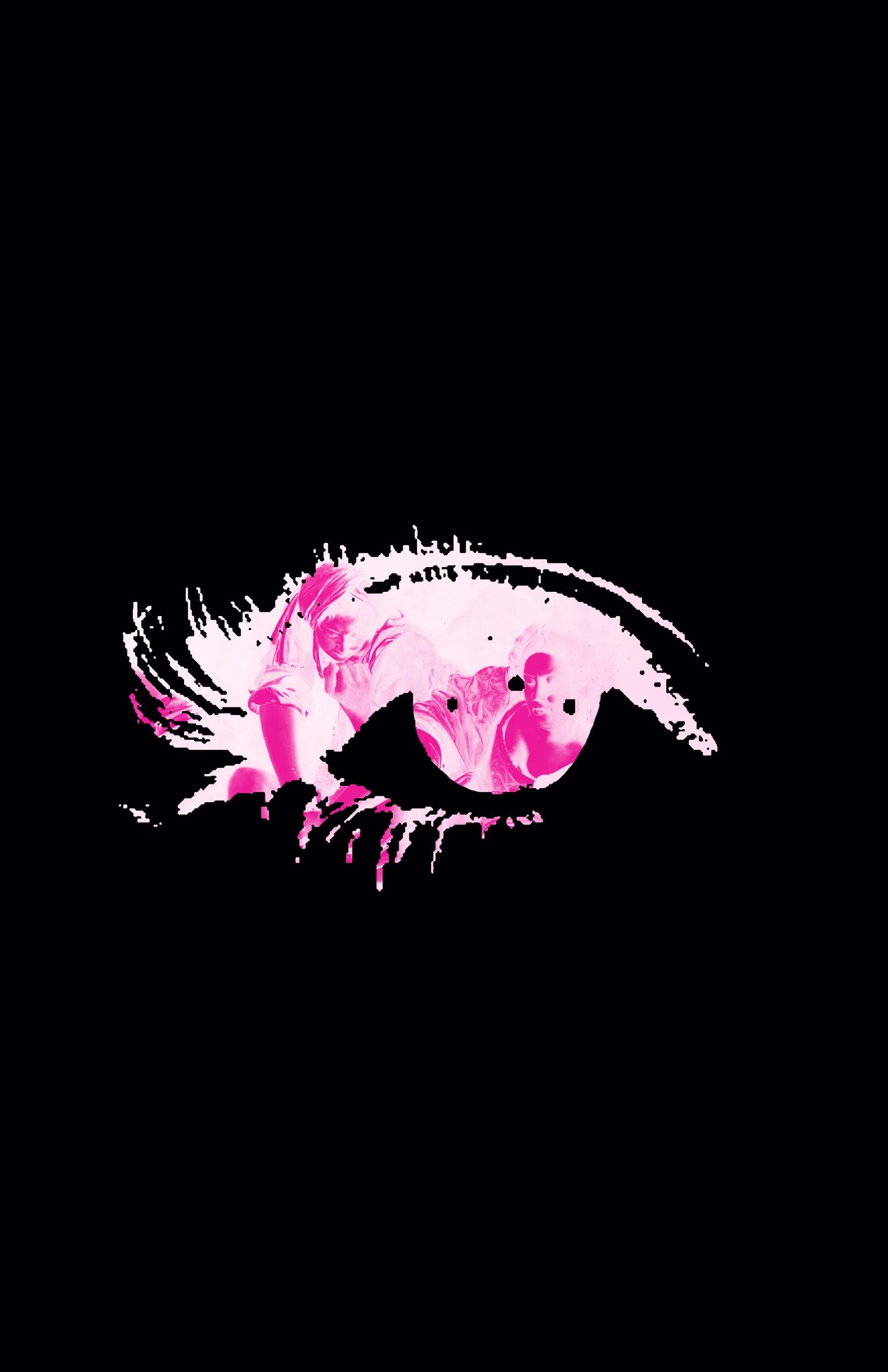
The Female Gaze: Art, Pop Culture, and Cinema is an anthology that explores how women have been represented in visual culture and how women artists, filmmakers, and writers challenge those representations. Rather than presenting a single definition of the "female gaze," the zine argues that it is an evolving framework that centers women's subjectivity, agency, and lived experiences while questioning traditional, male-dominated ways of seeing.
The book argues that changing who creates images is just as important as changing what those images depict. By foregrounding women's voices and acknowledging diverse experiences, The Female Gaze invites readers to rethink traditional ways of looking at art, film, and popular culture, while recognizing that no single perspective can represent all women's experiences.
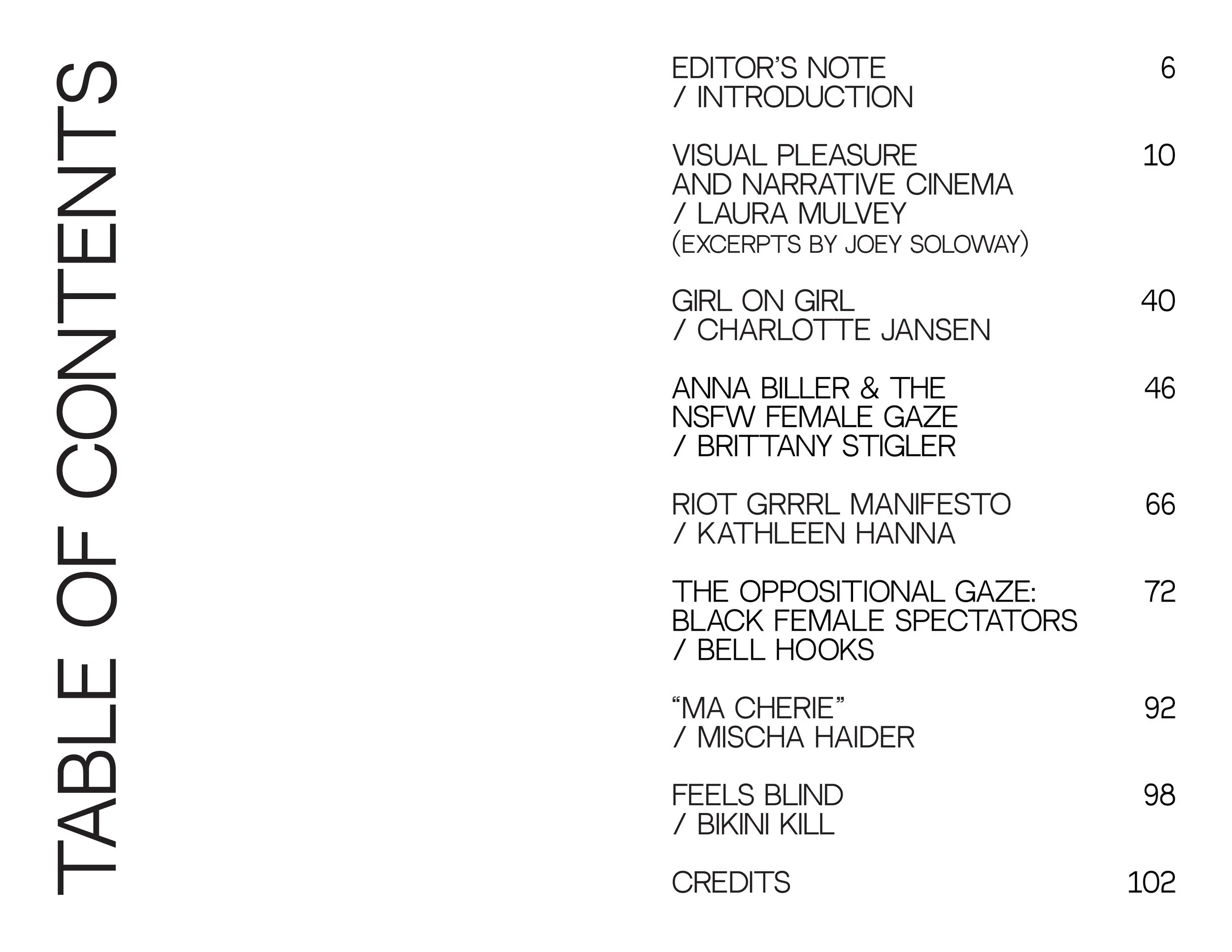
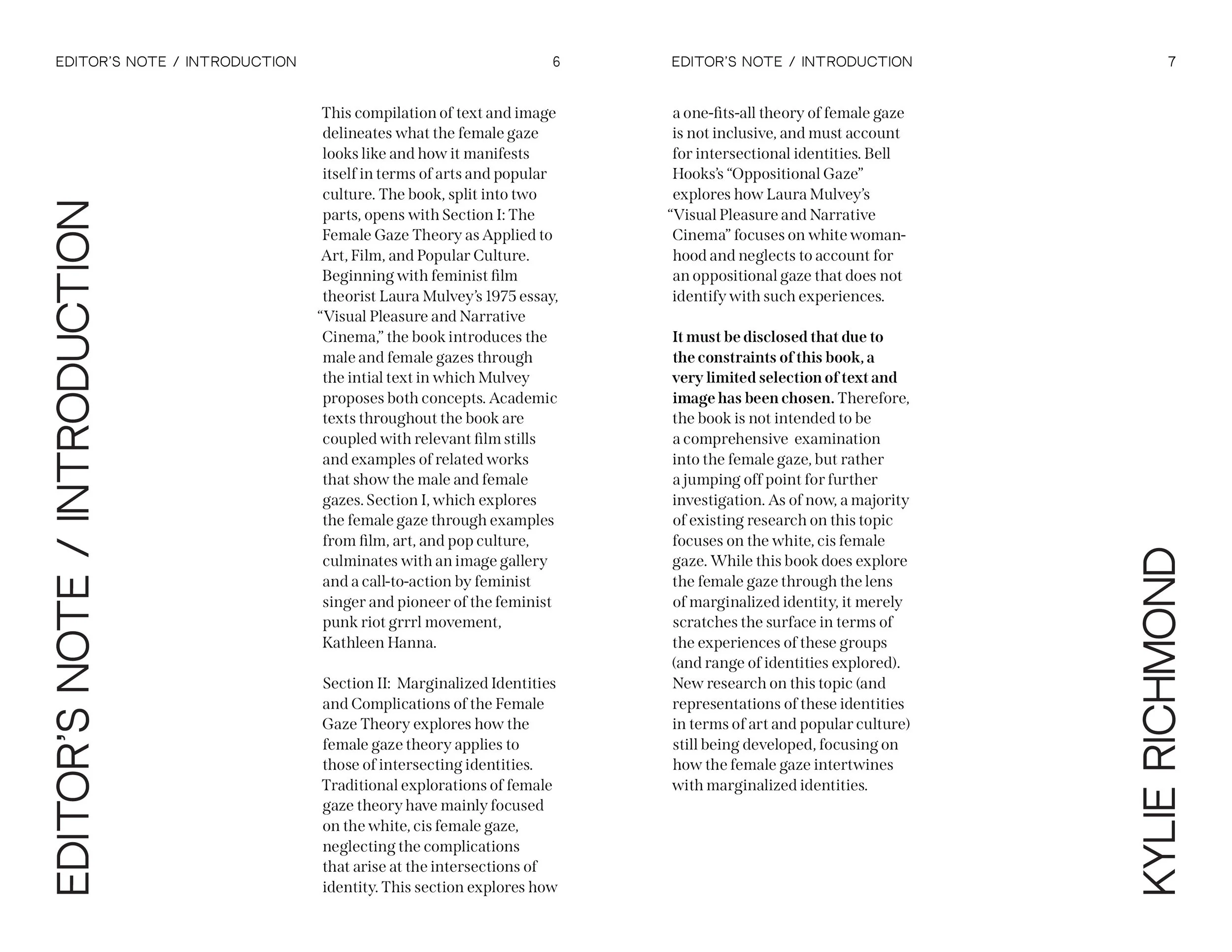
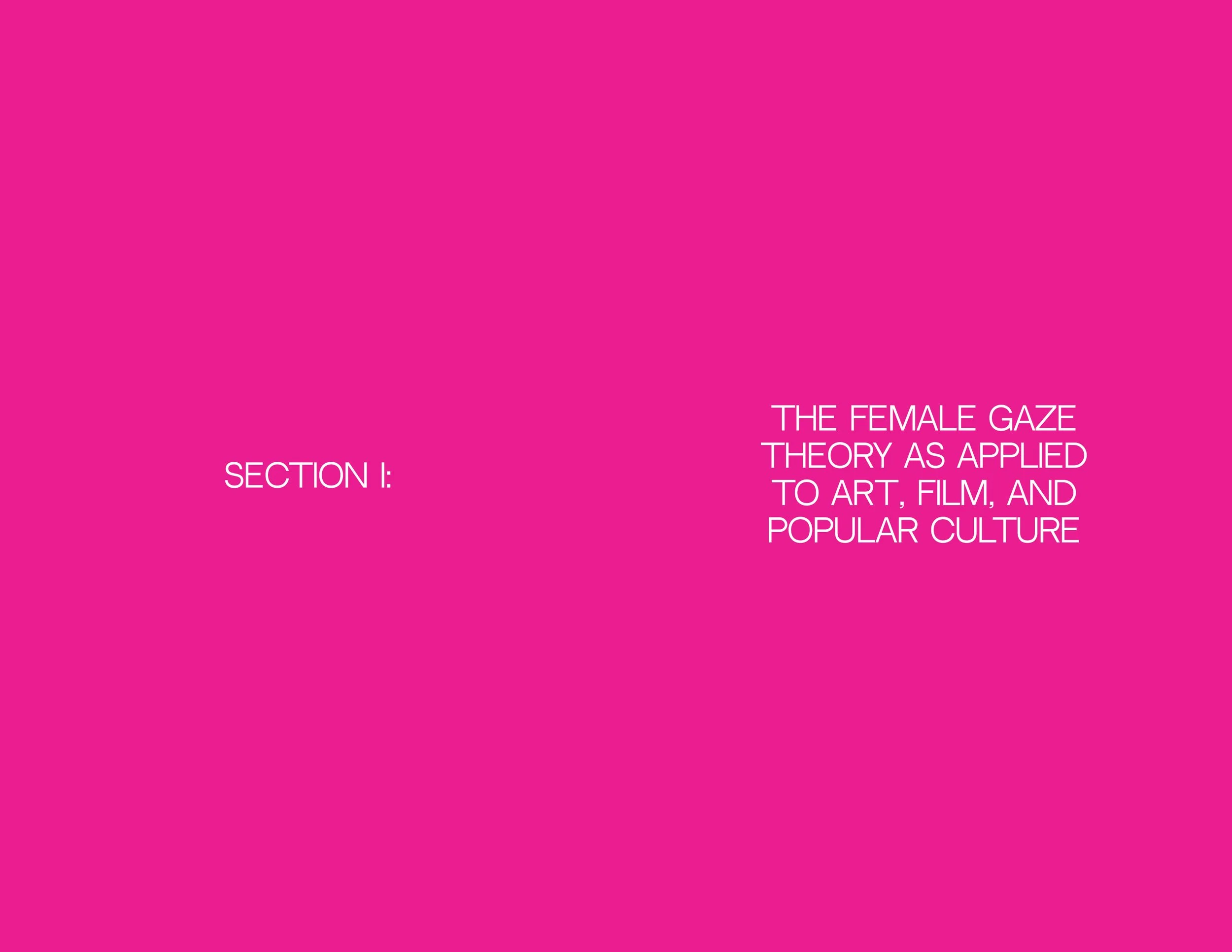
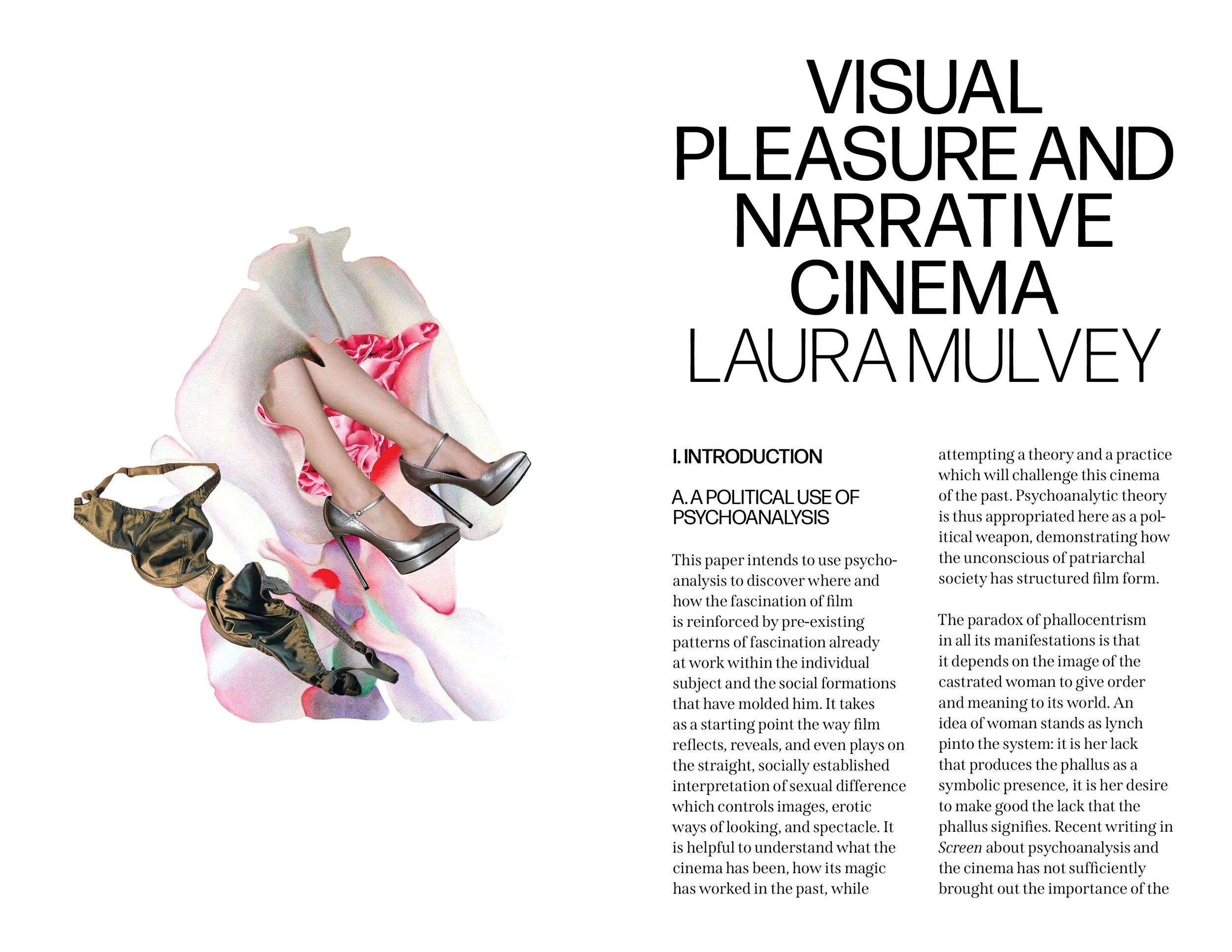
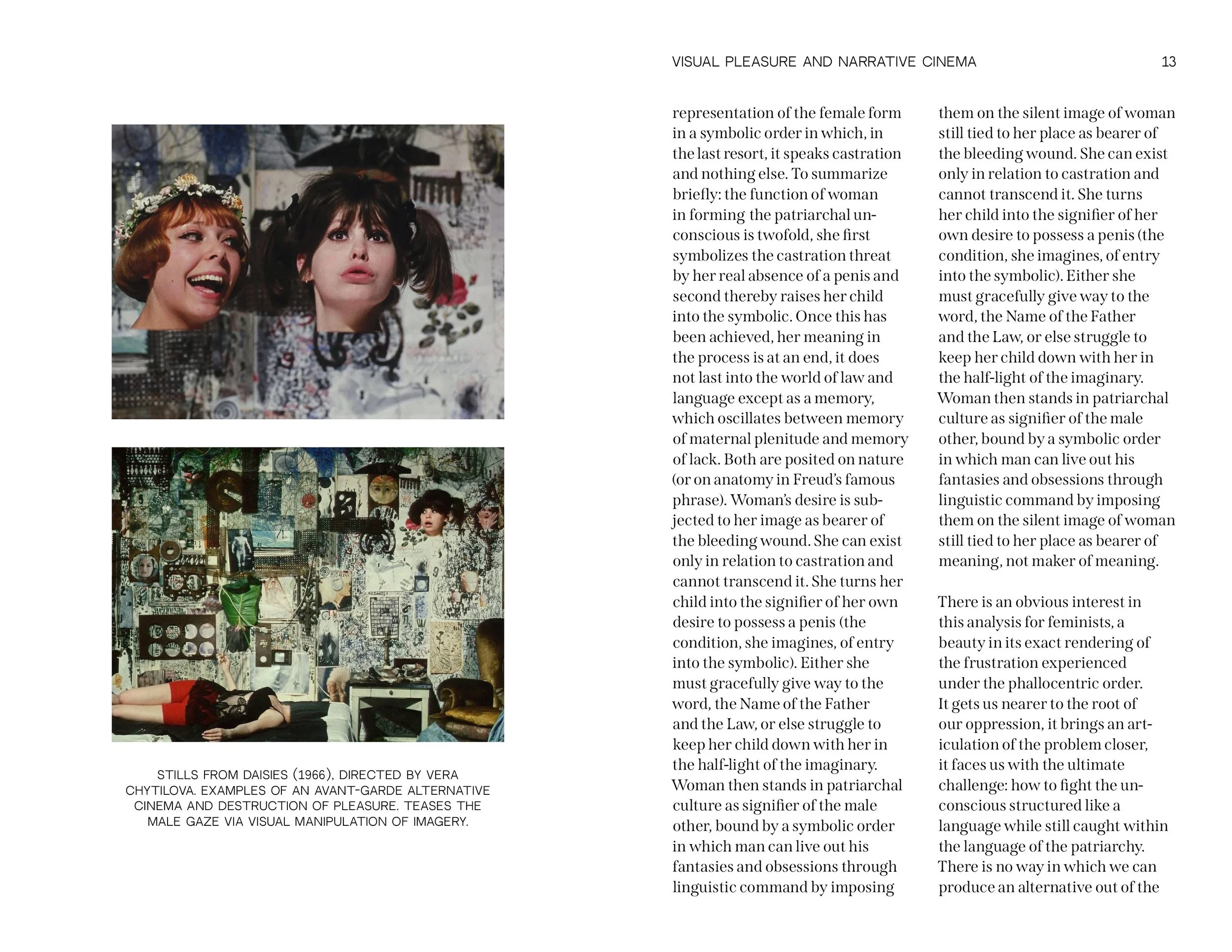
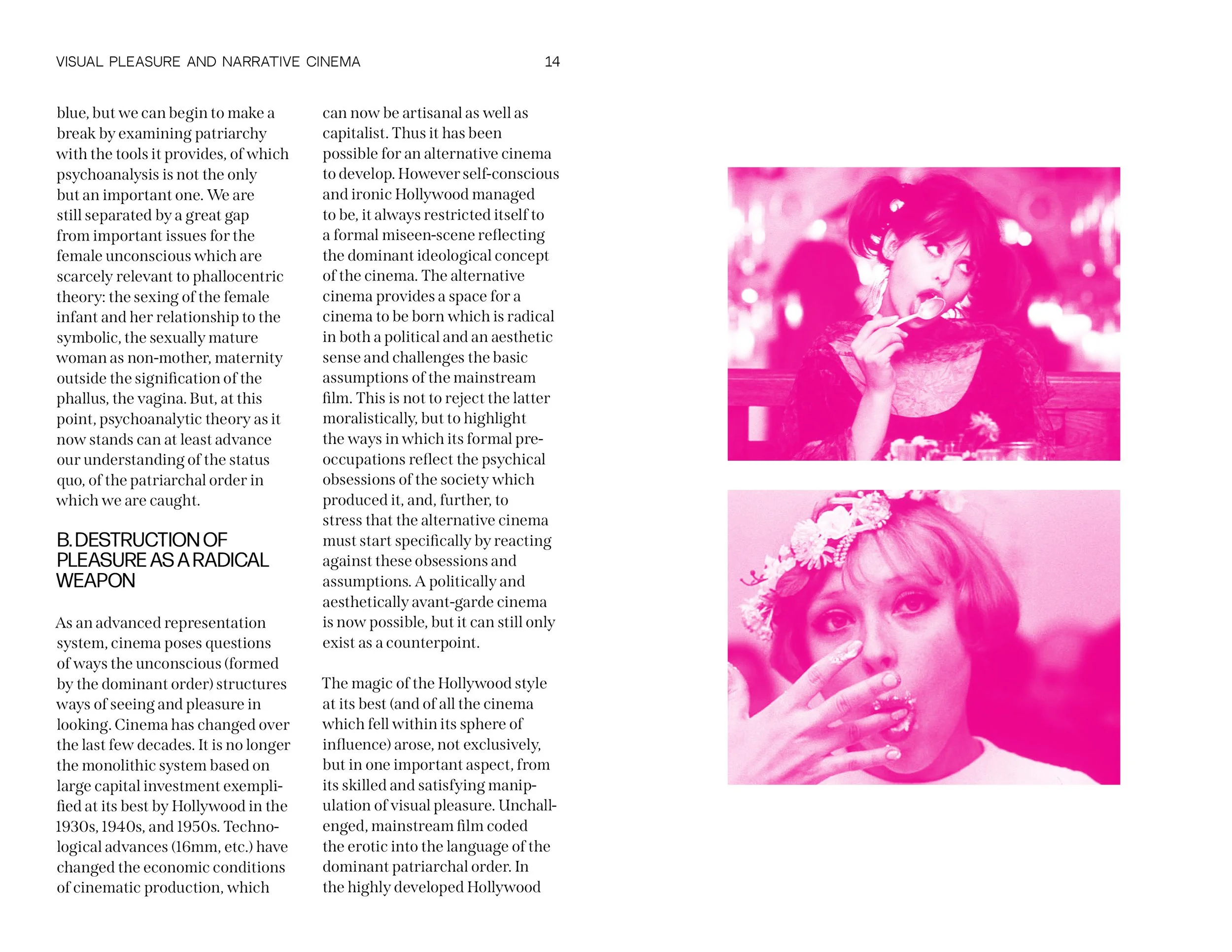
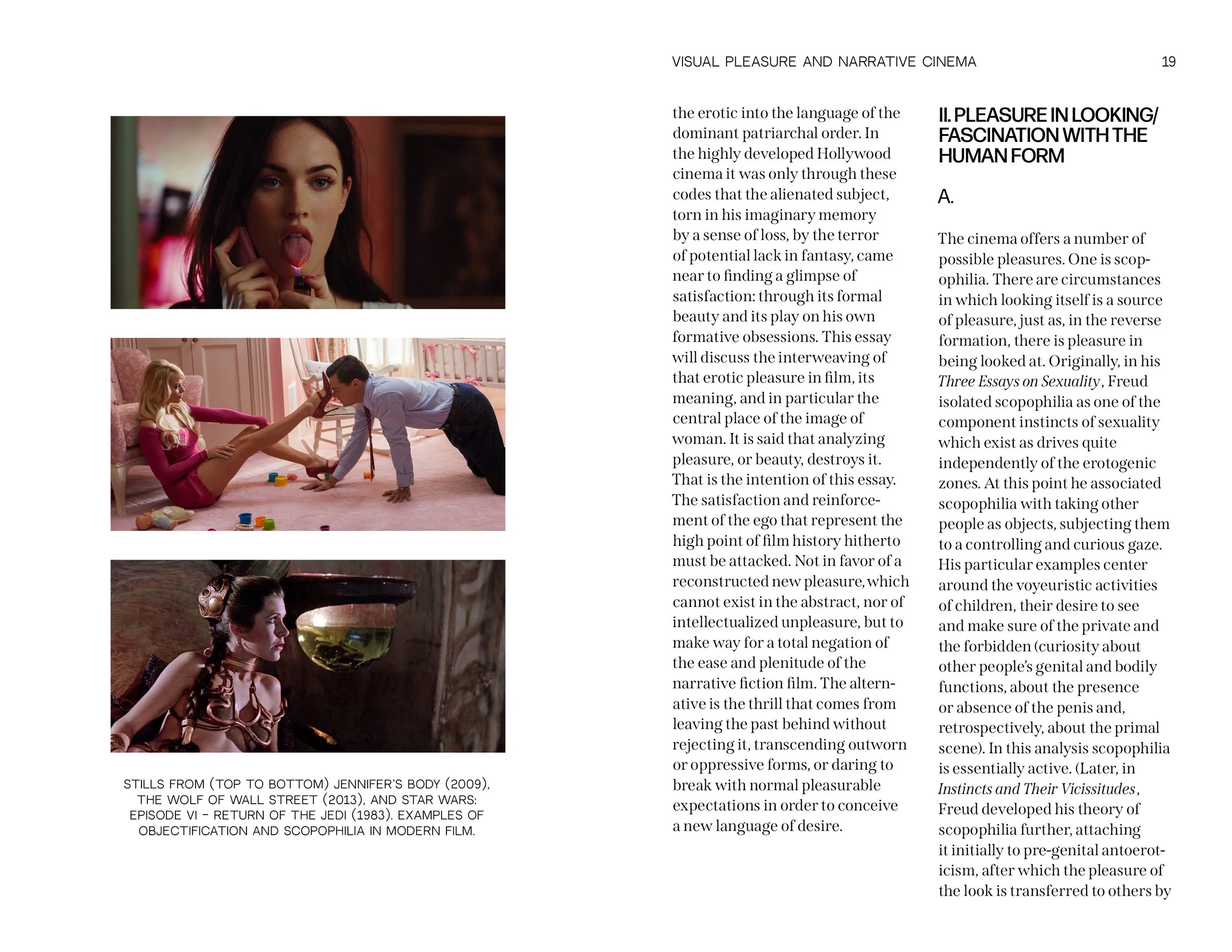
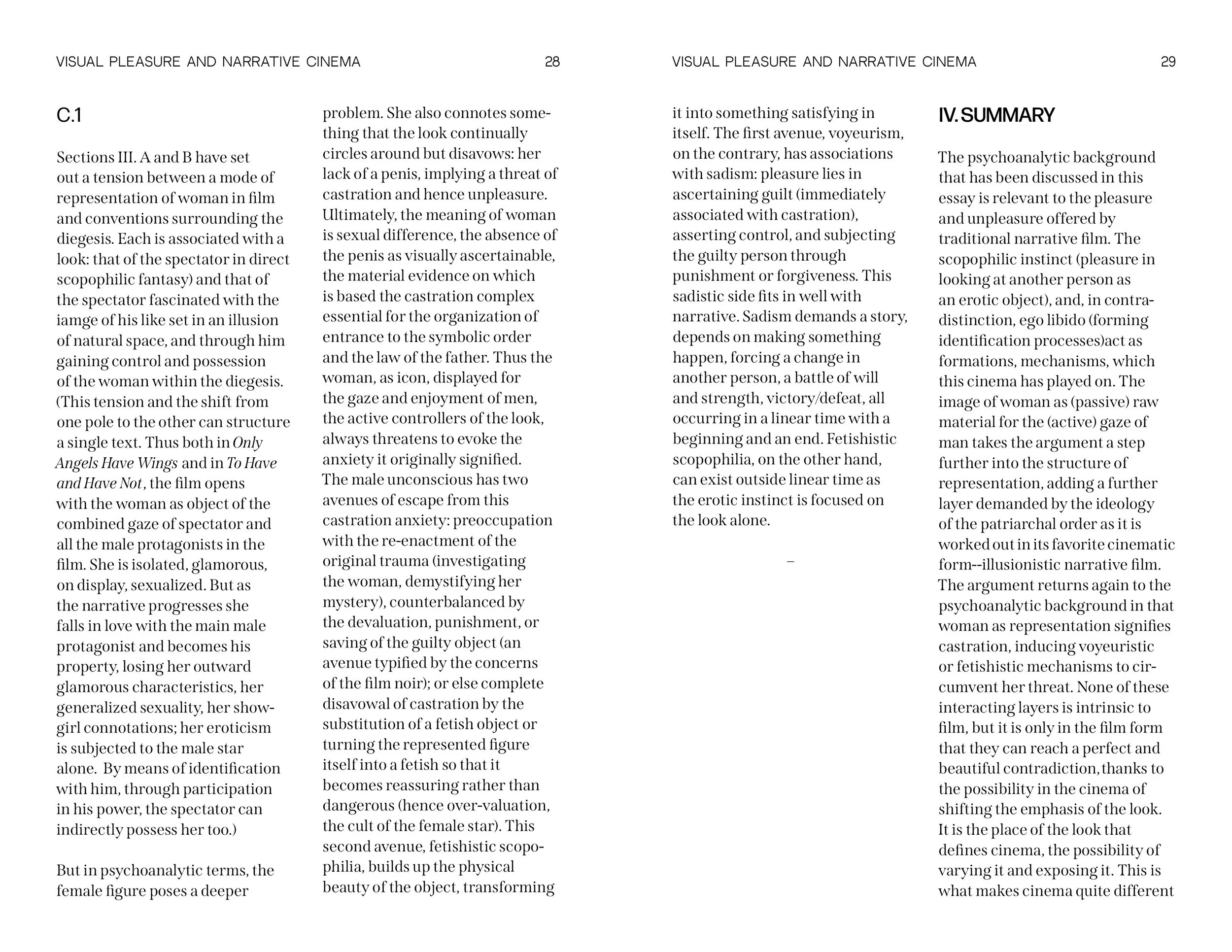
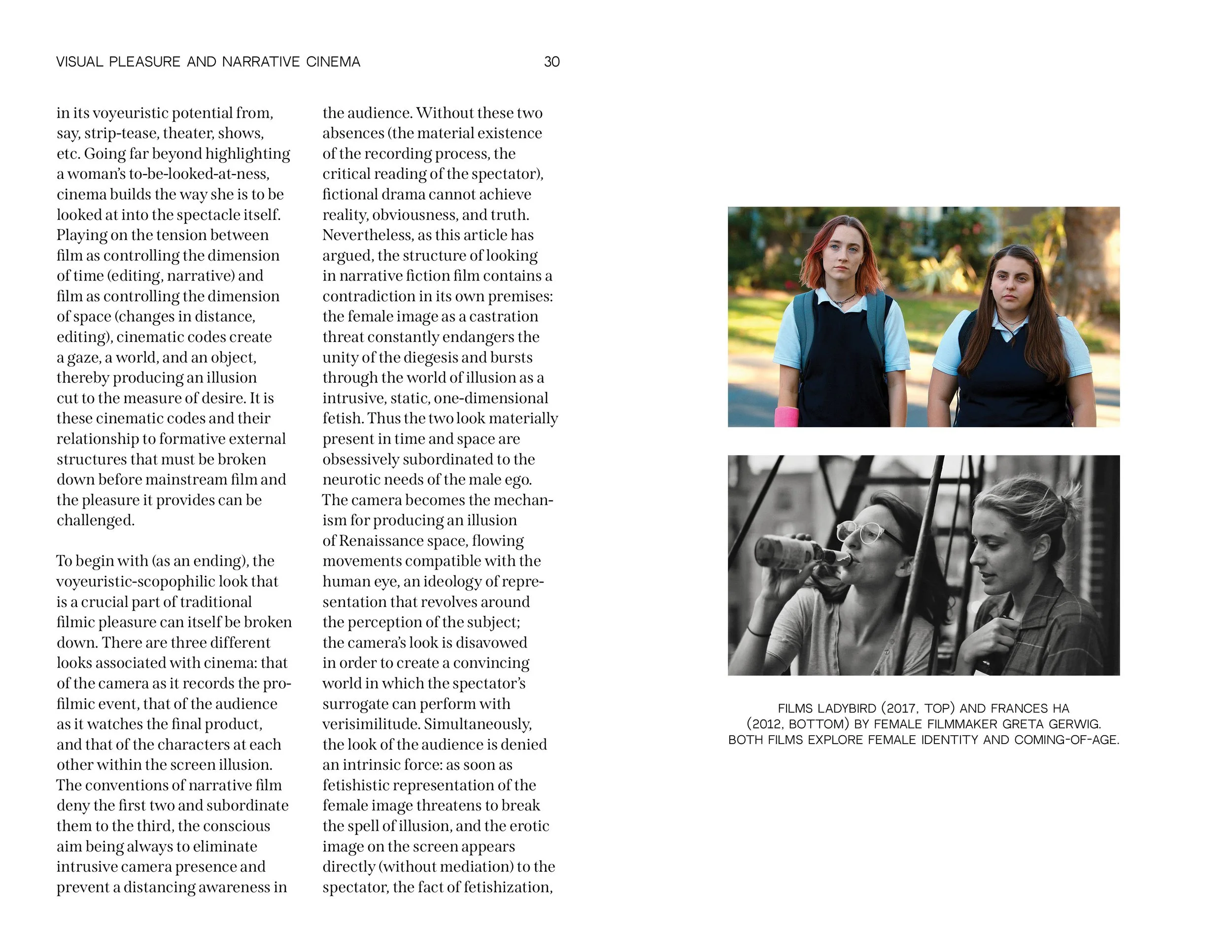
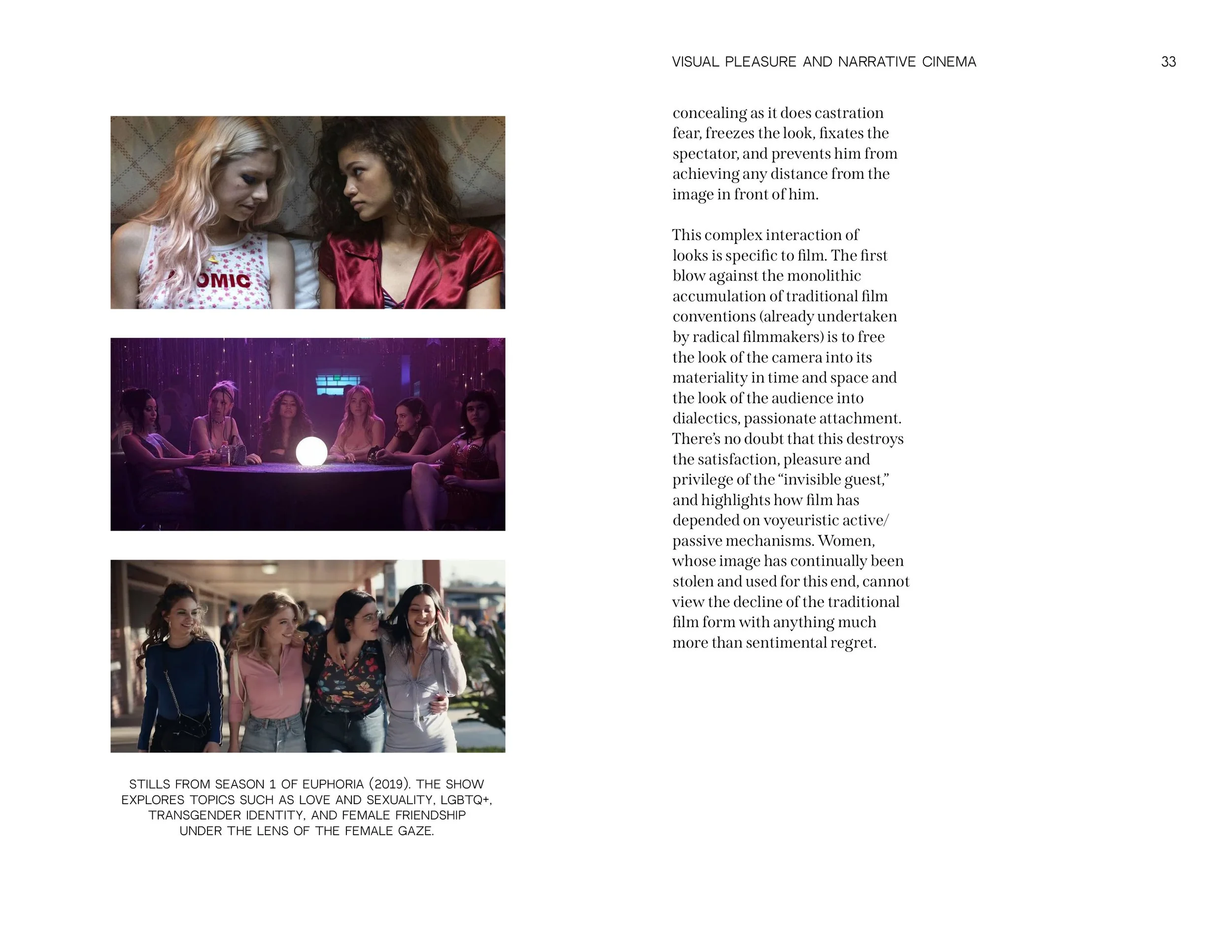
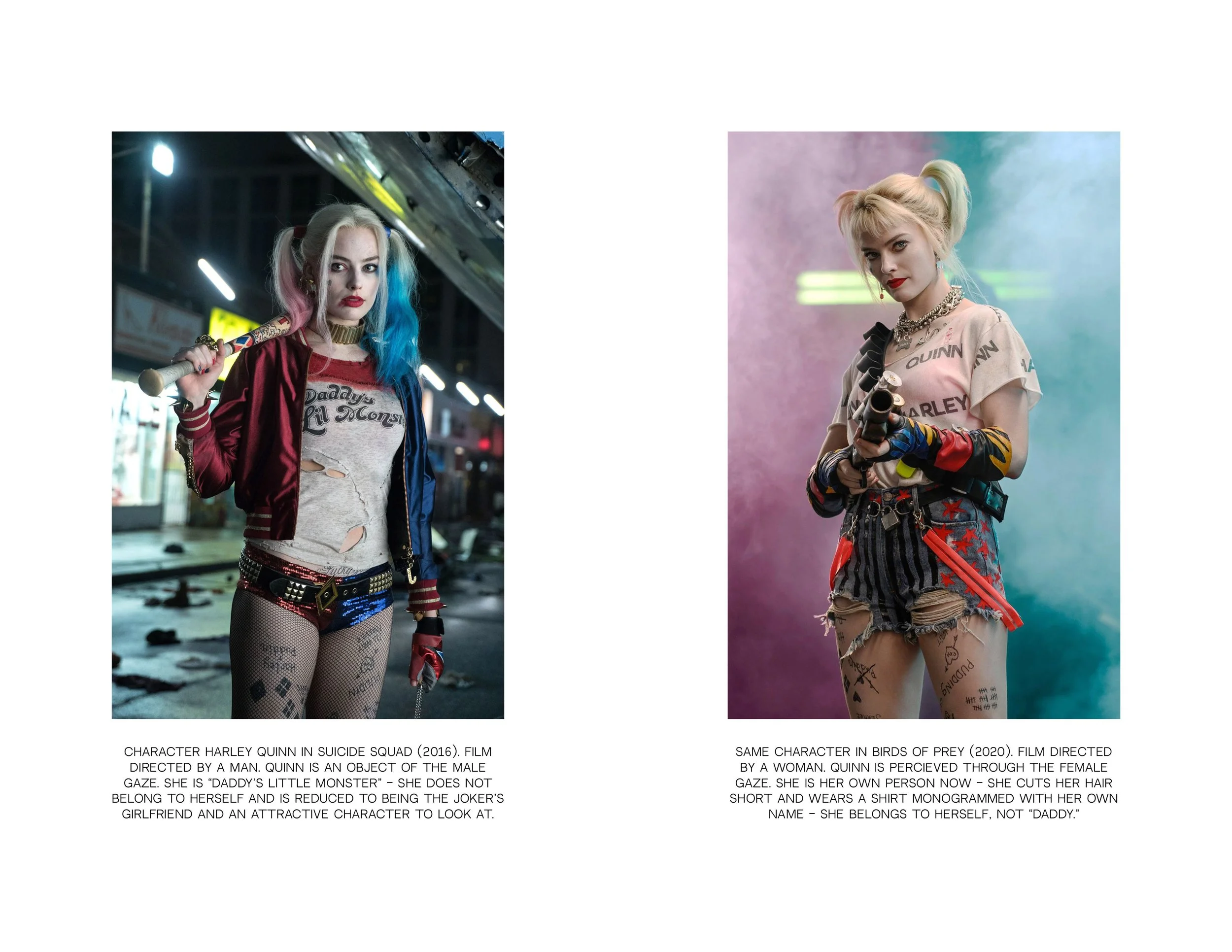
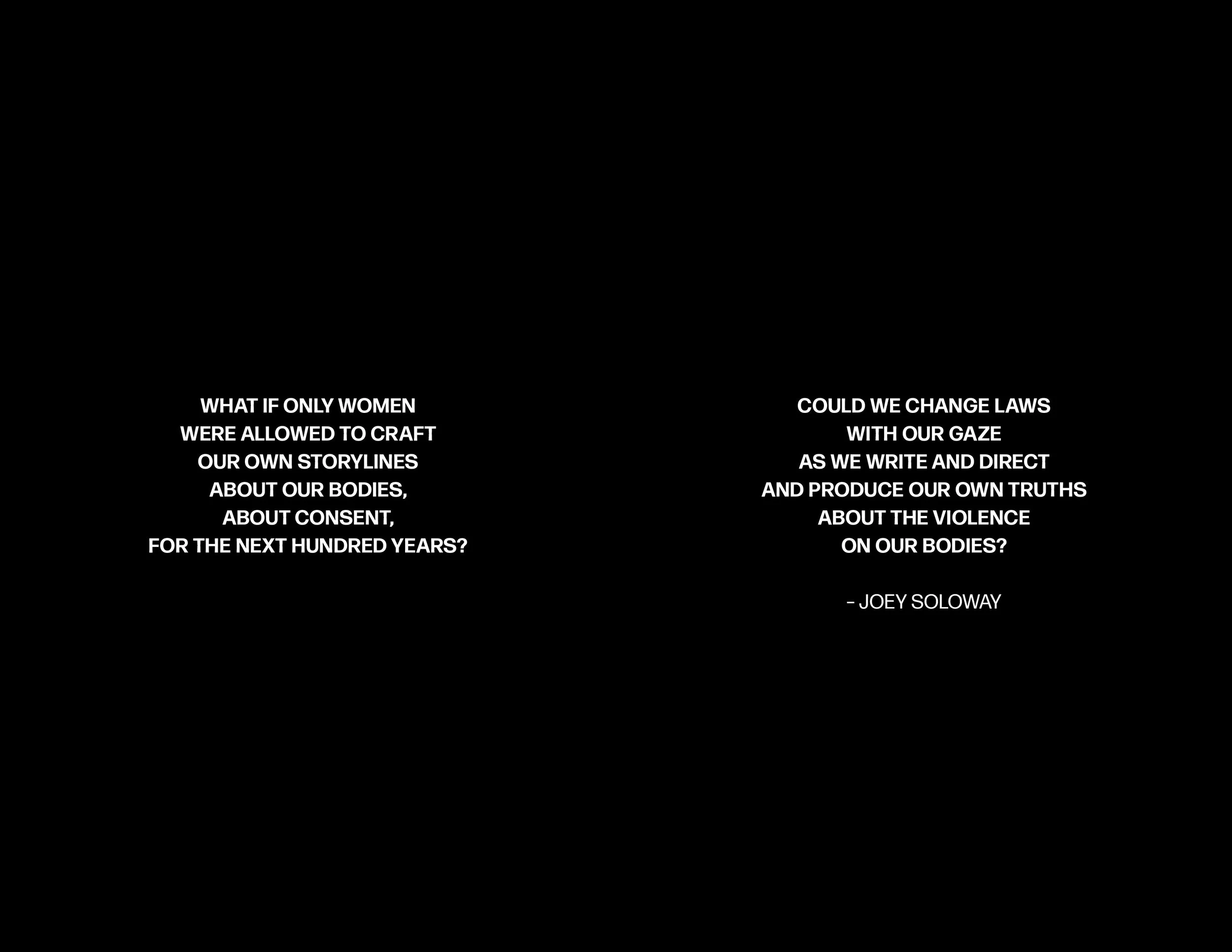
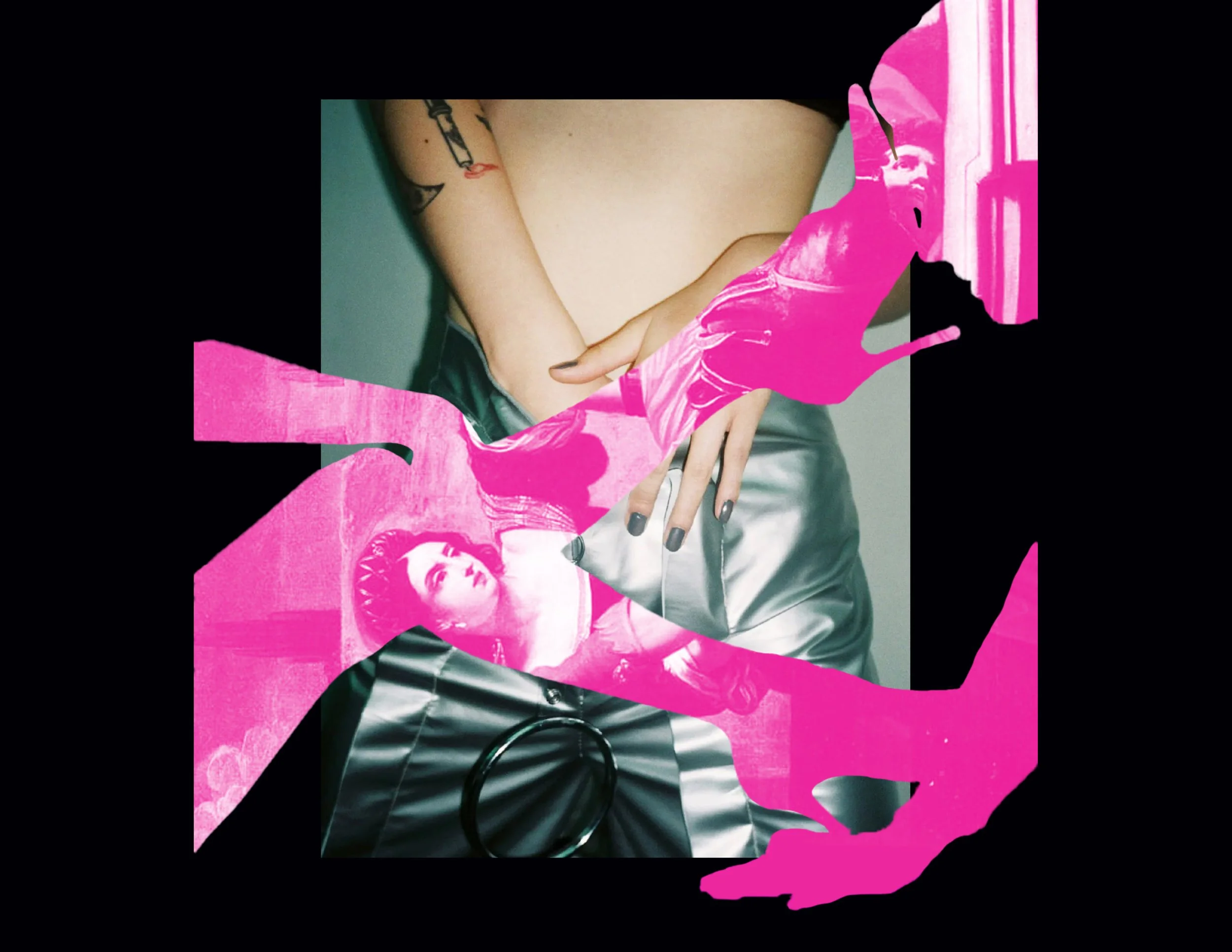
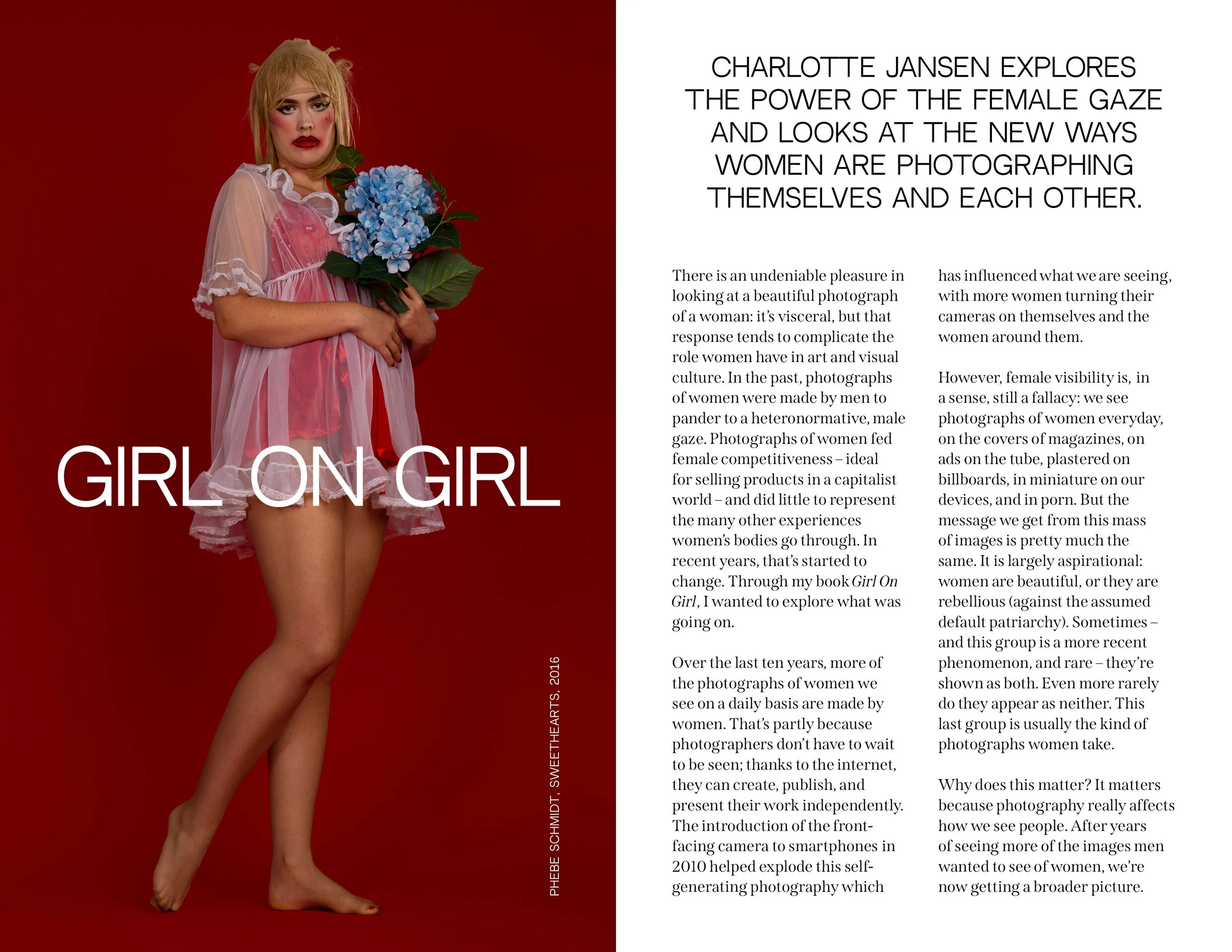
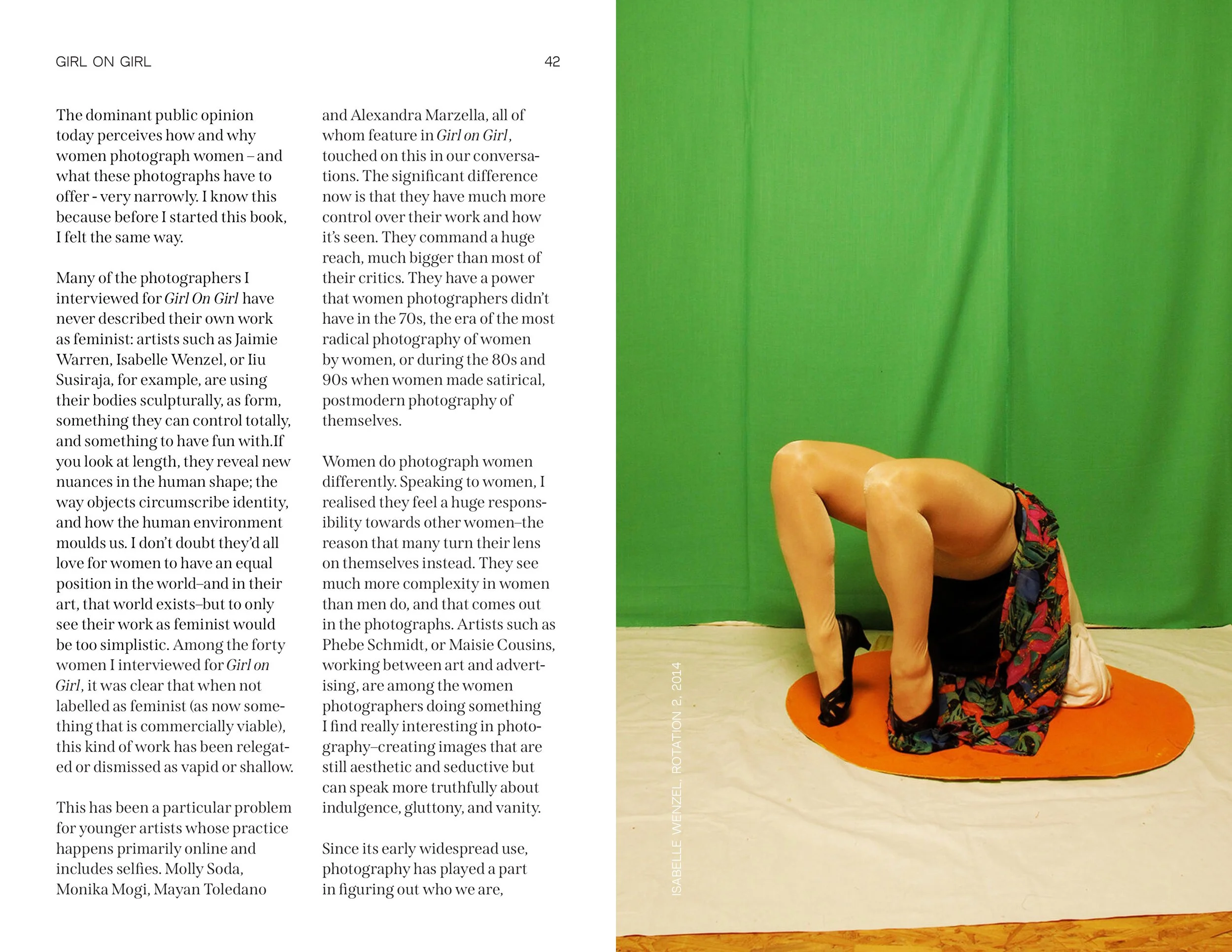
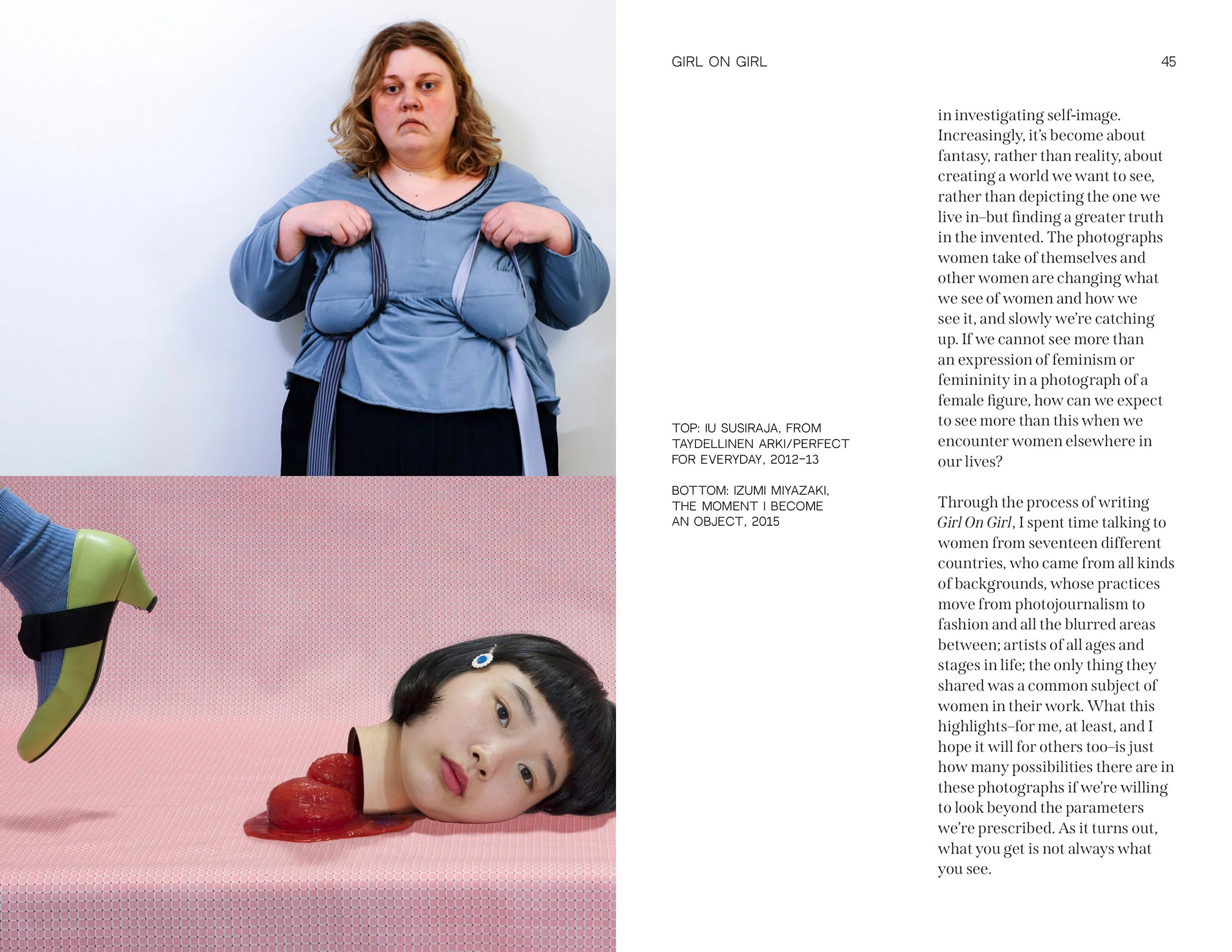
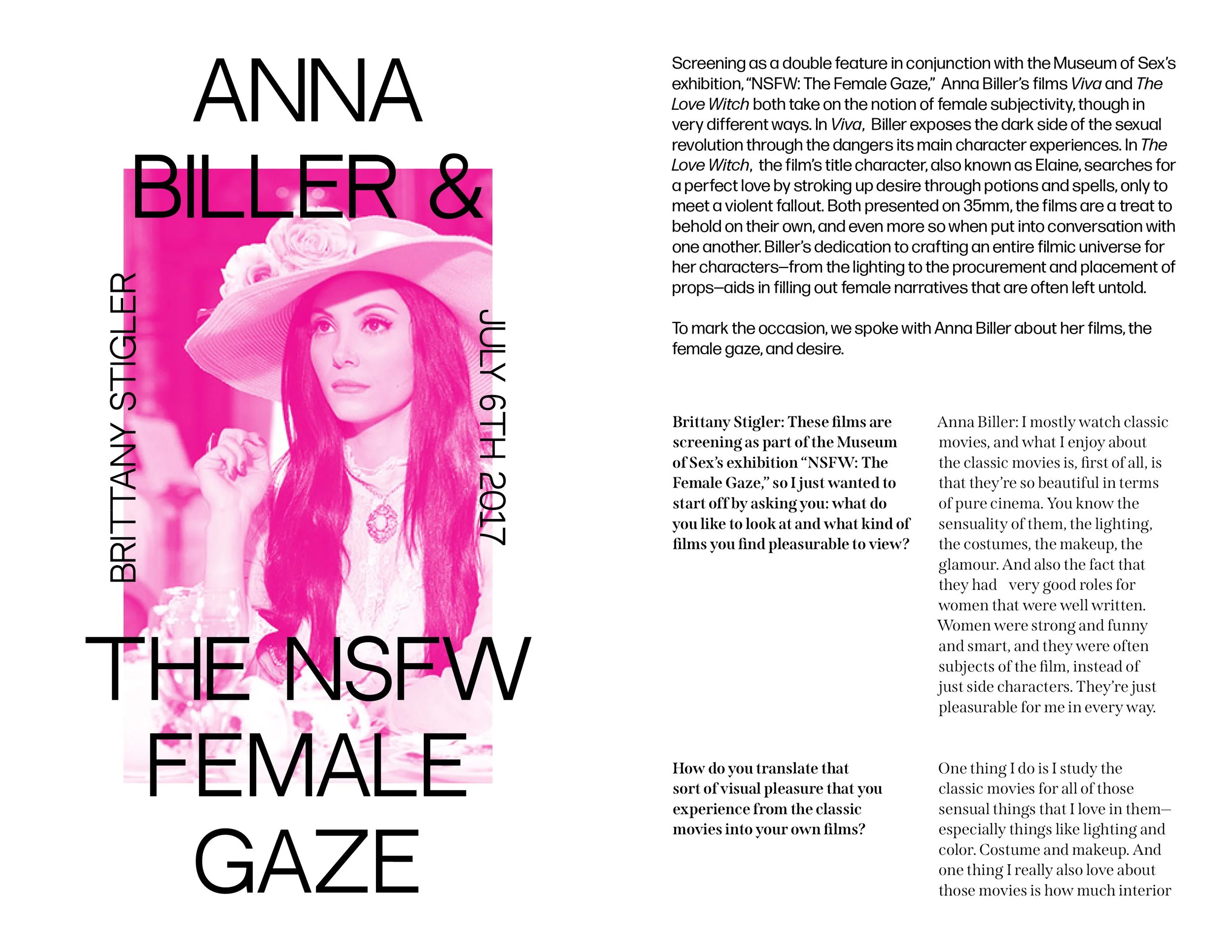
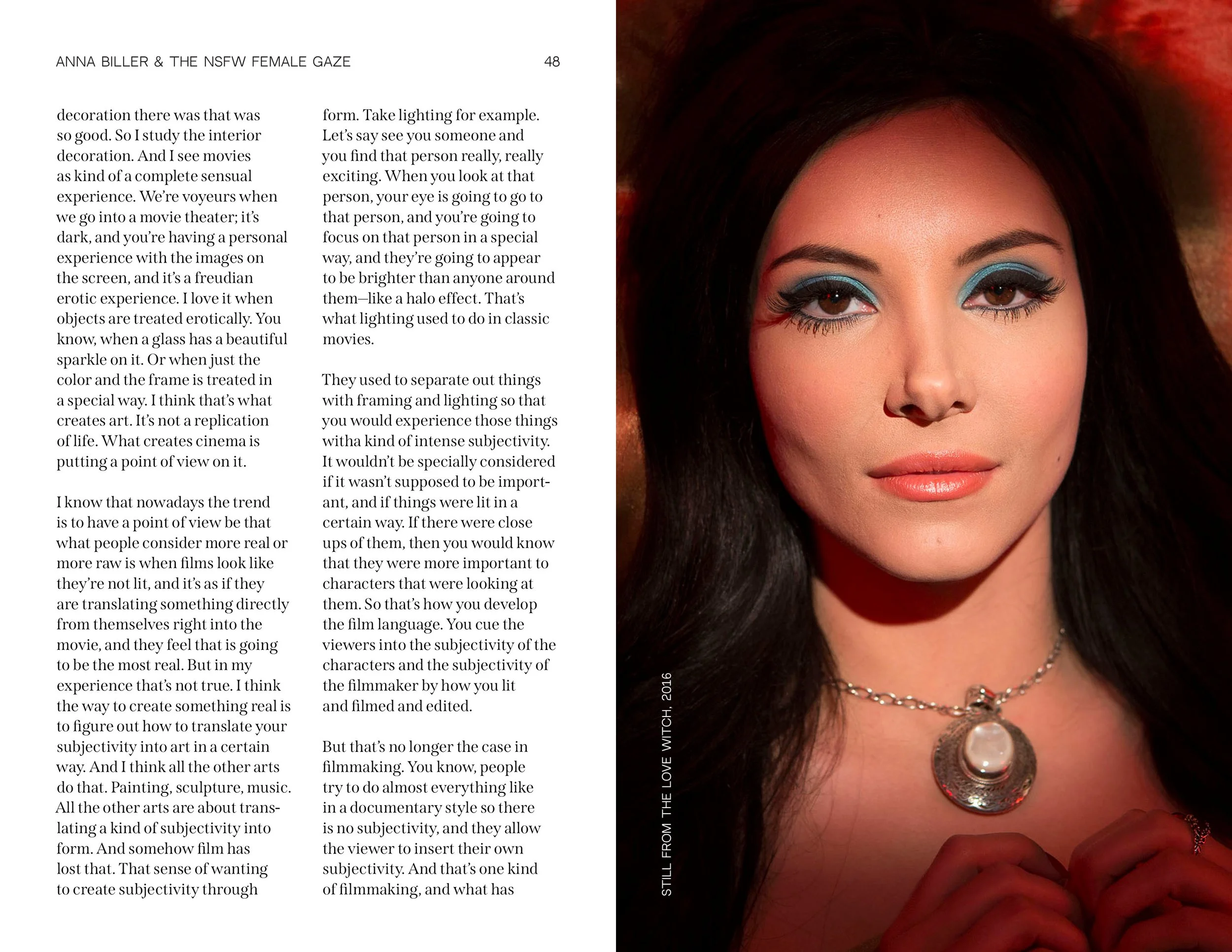
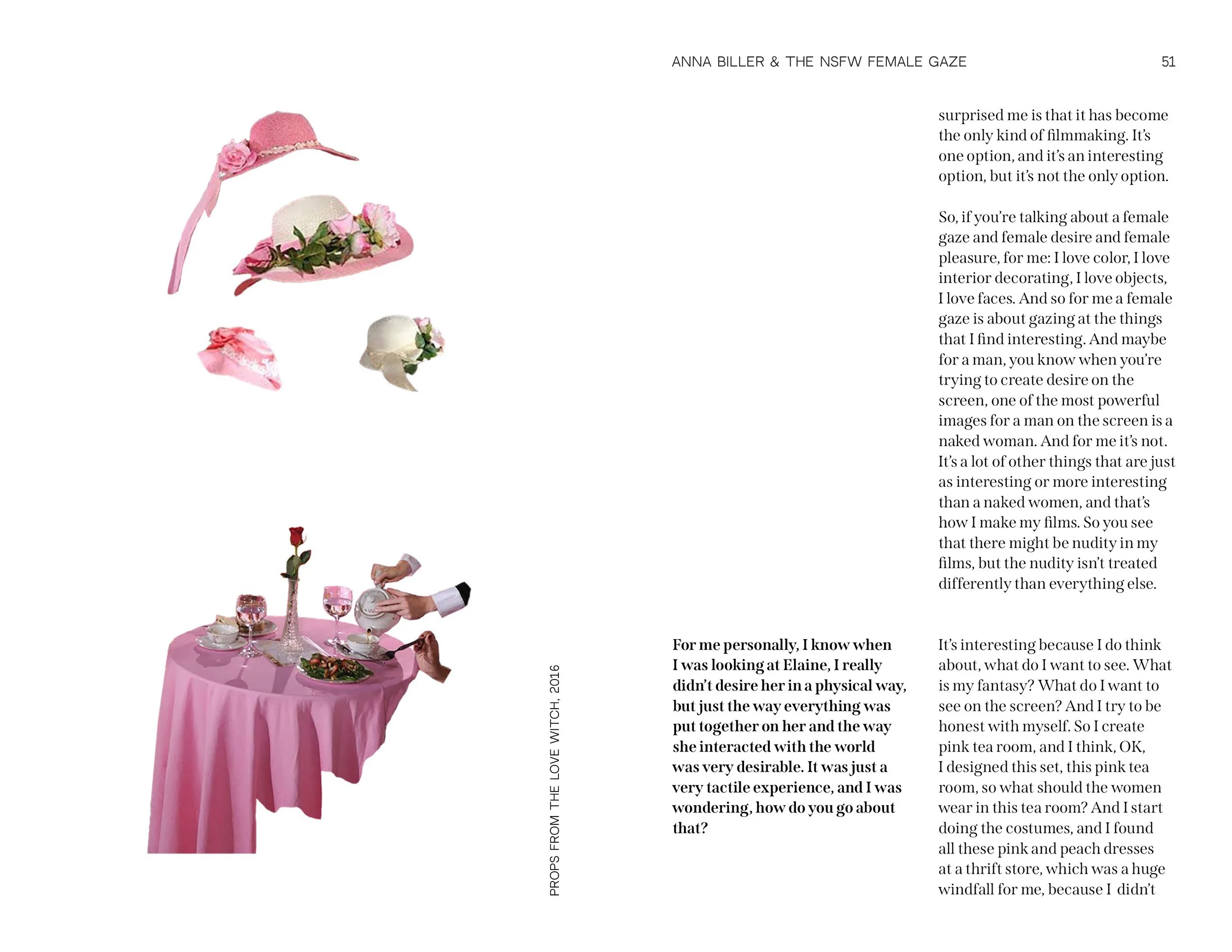
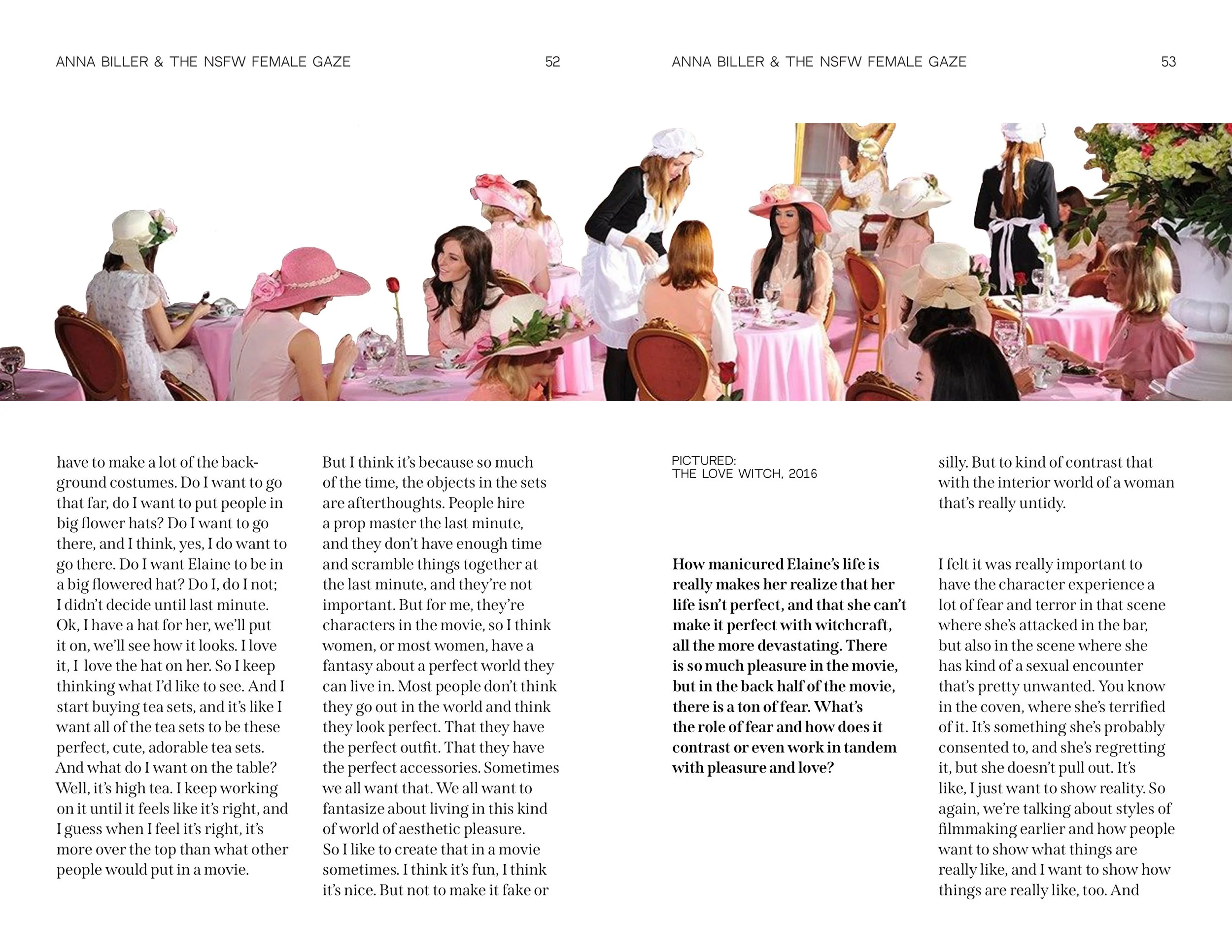
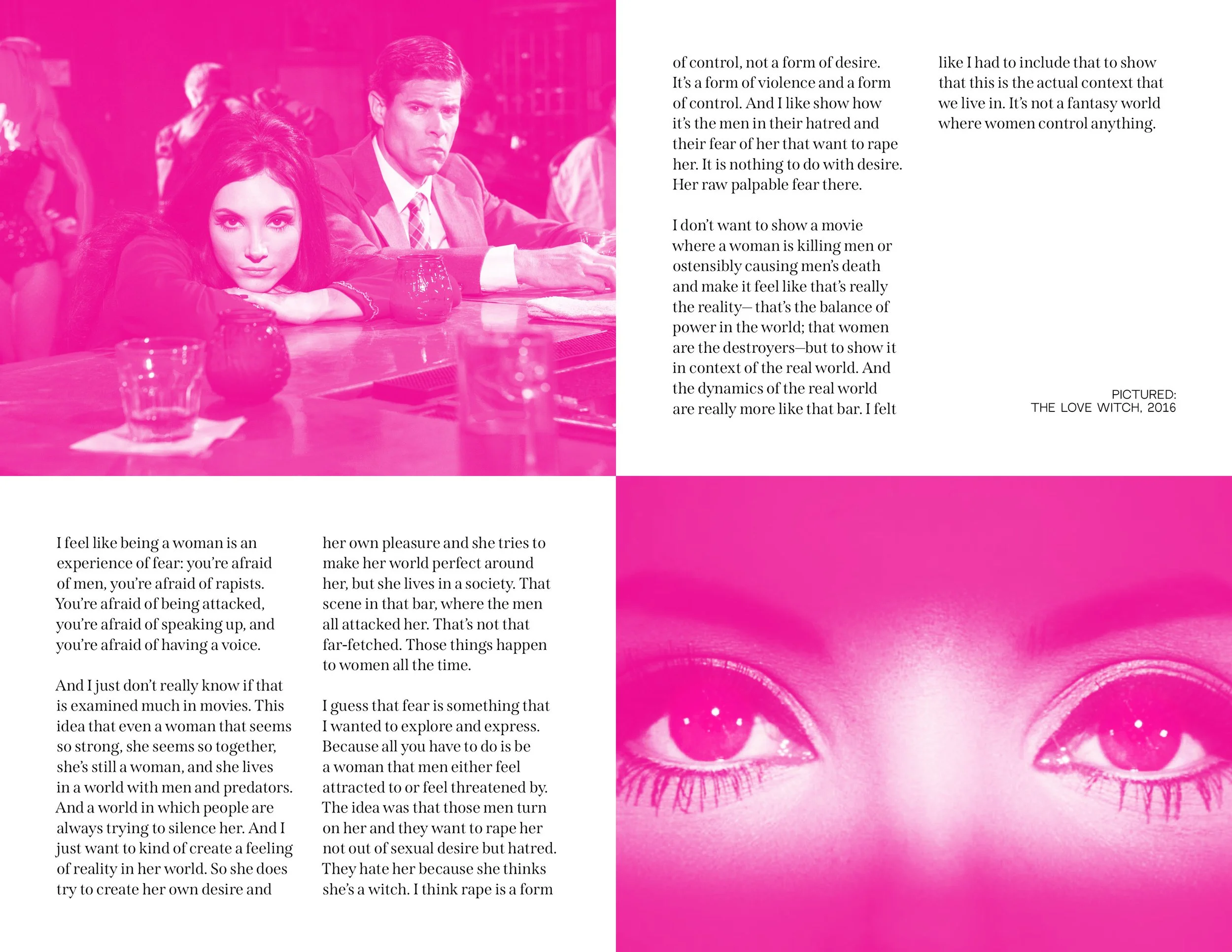
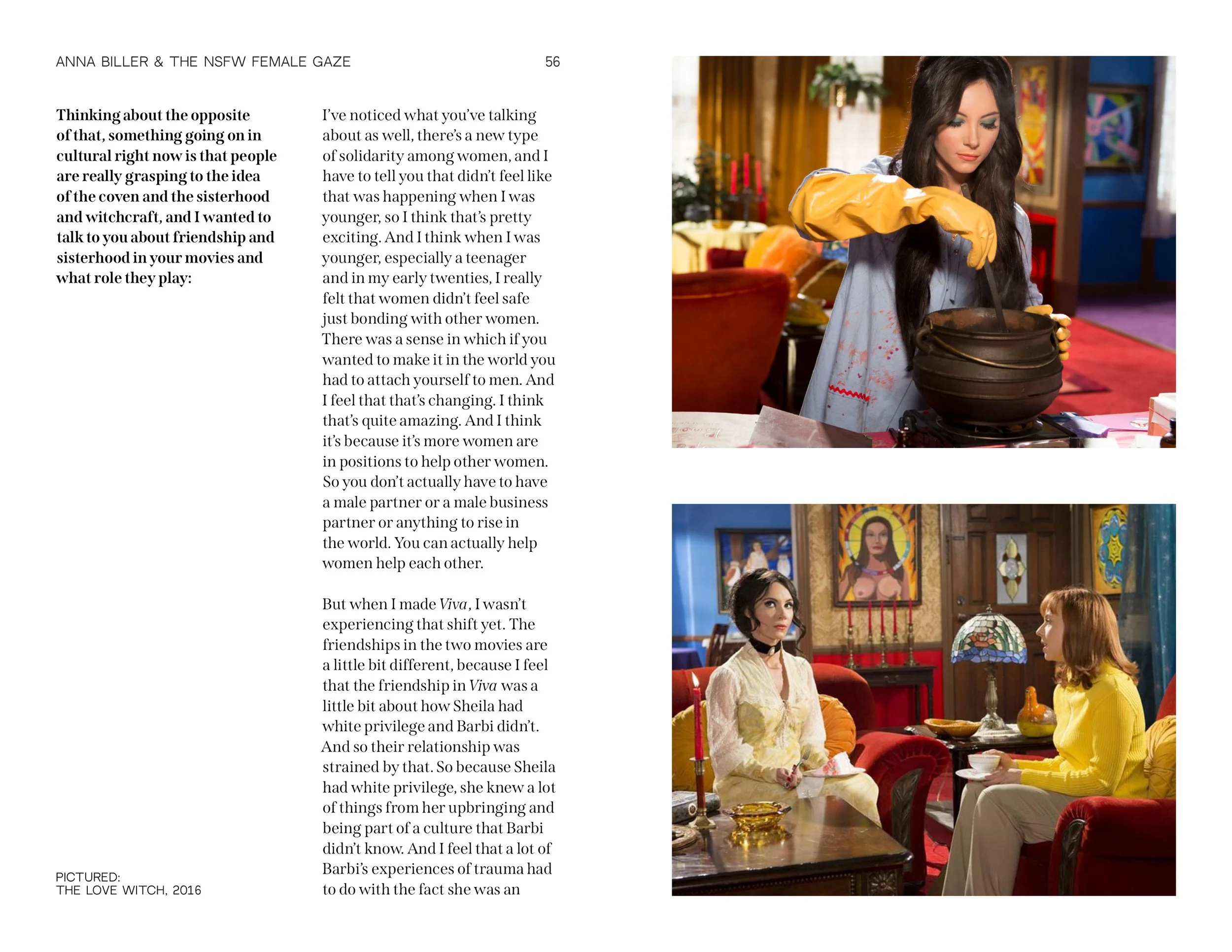
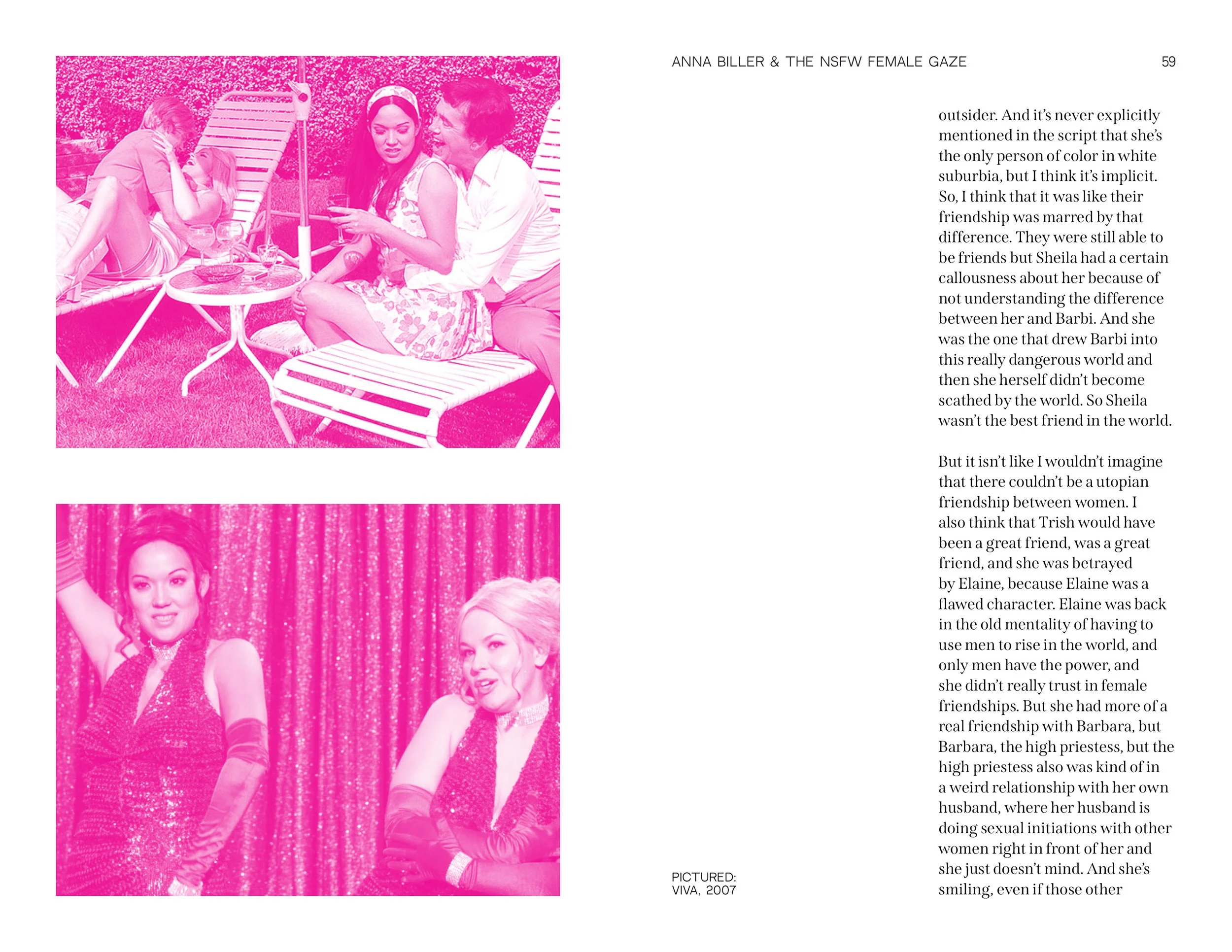
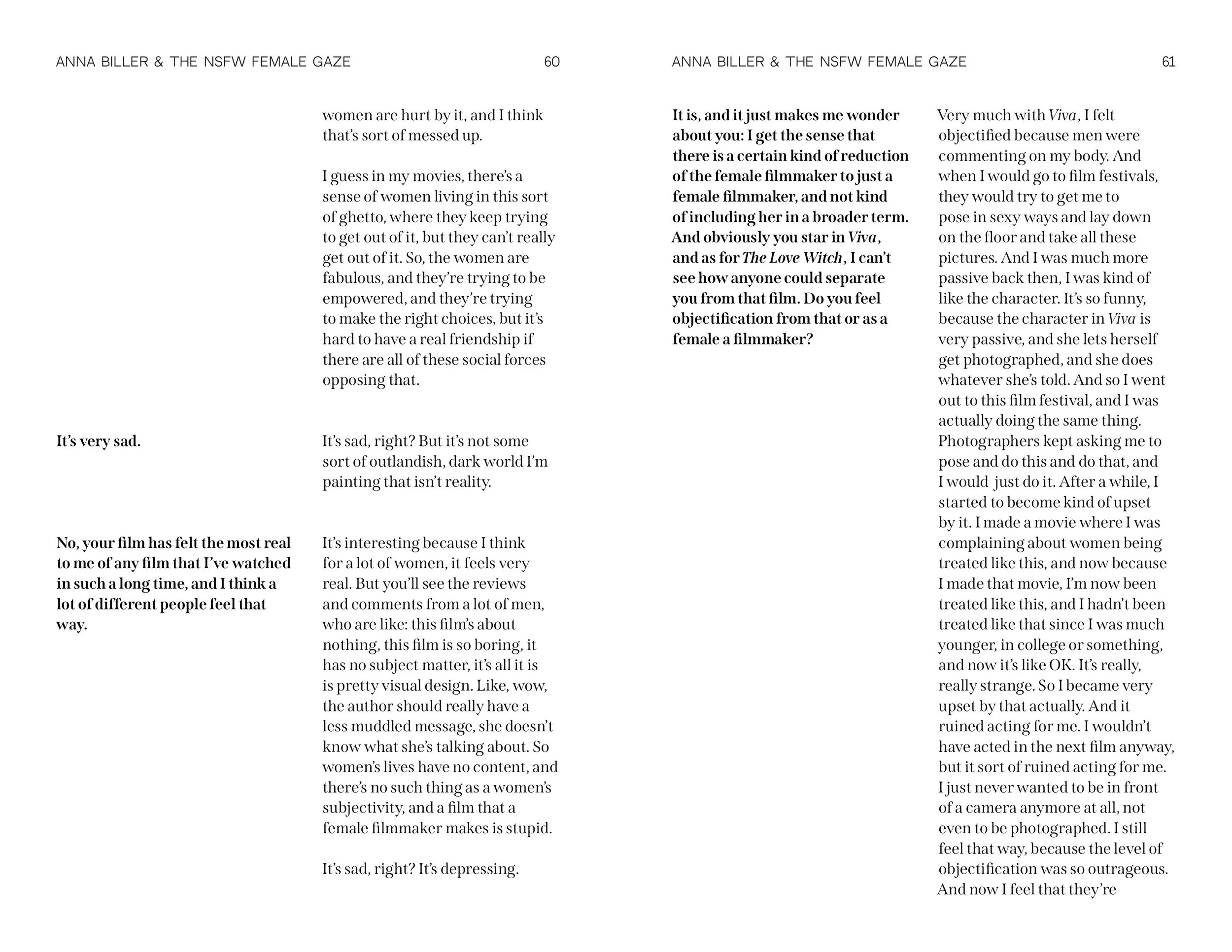
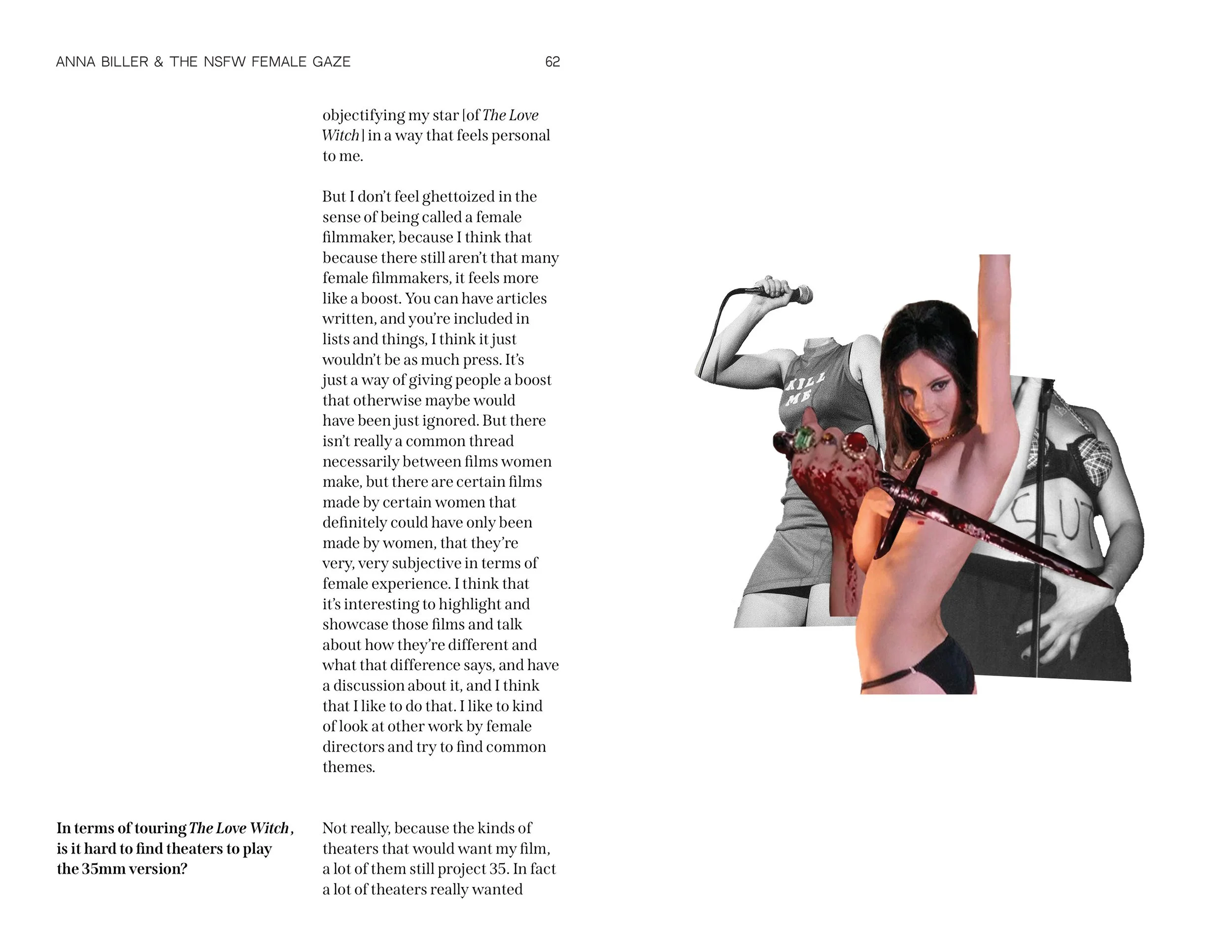
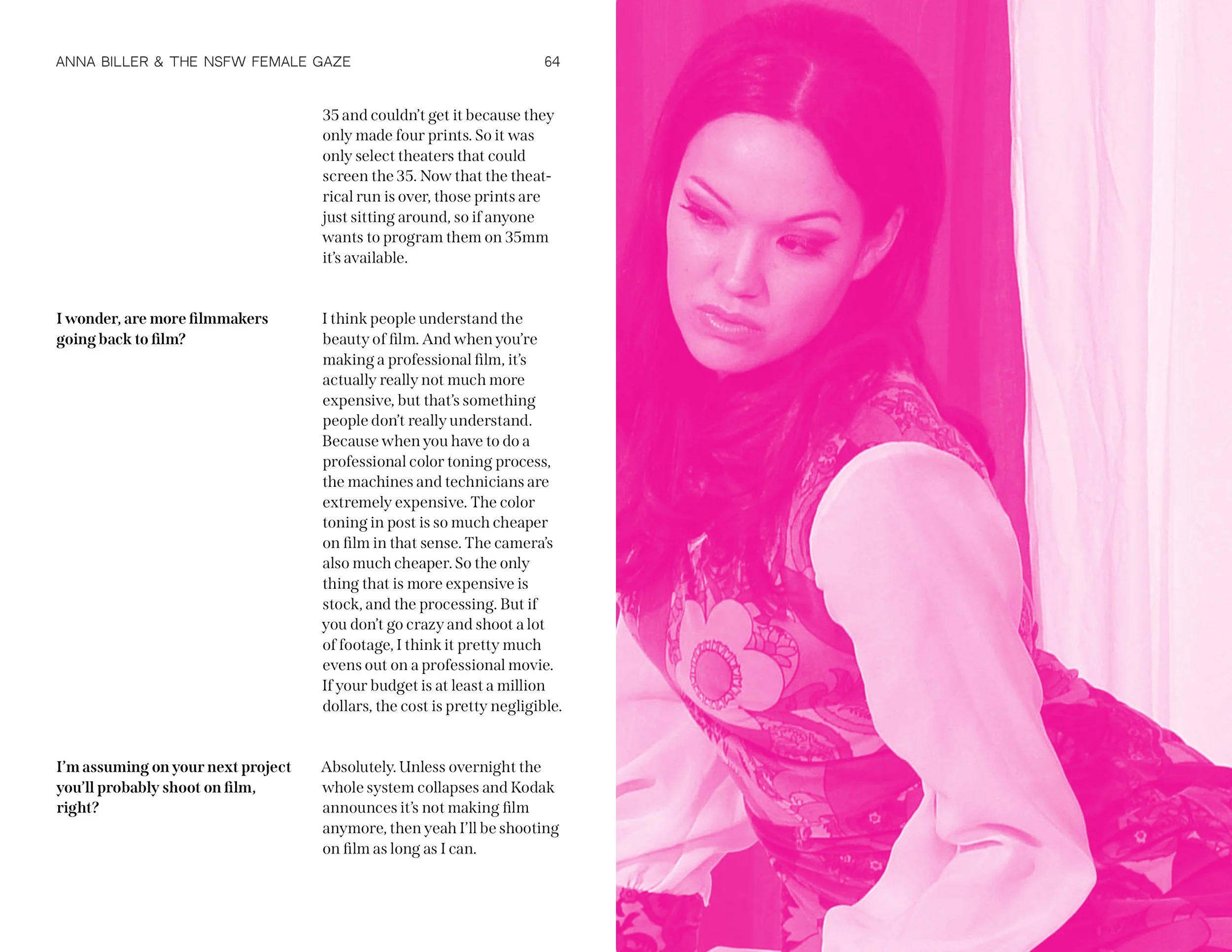
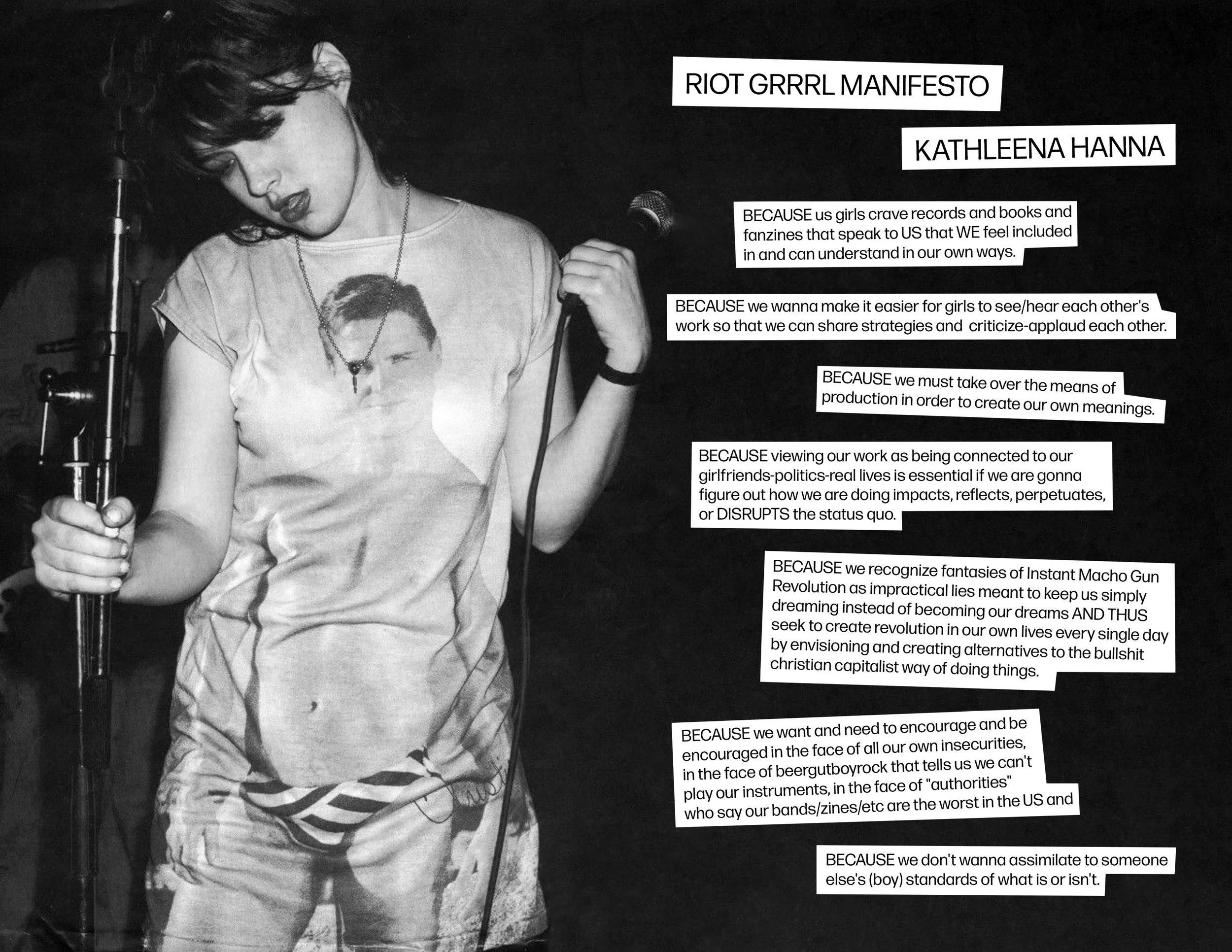
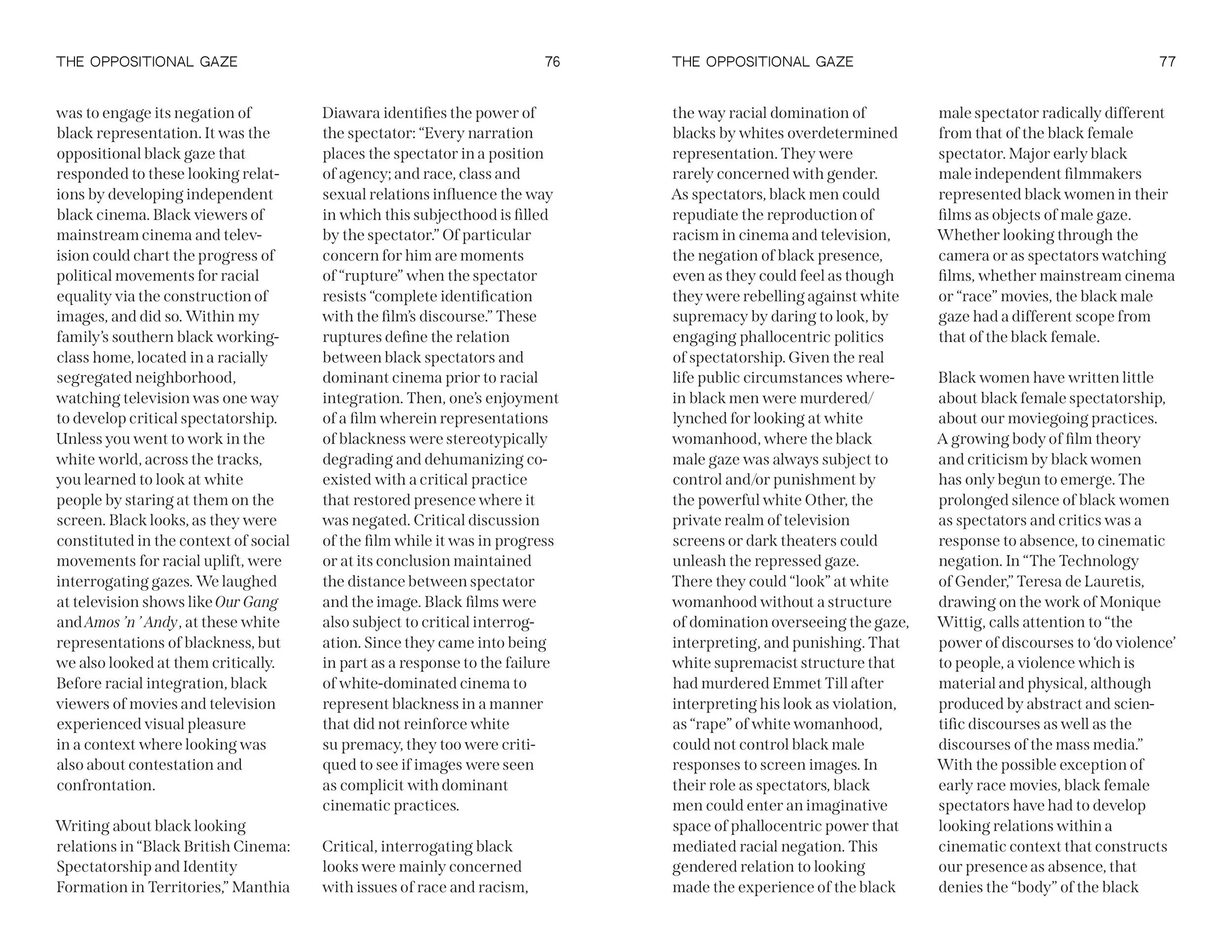
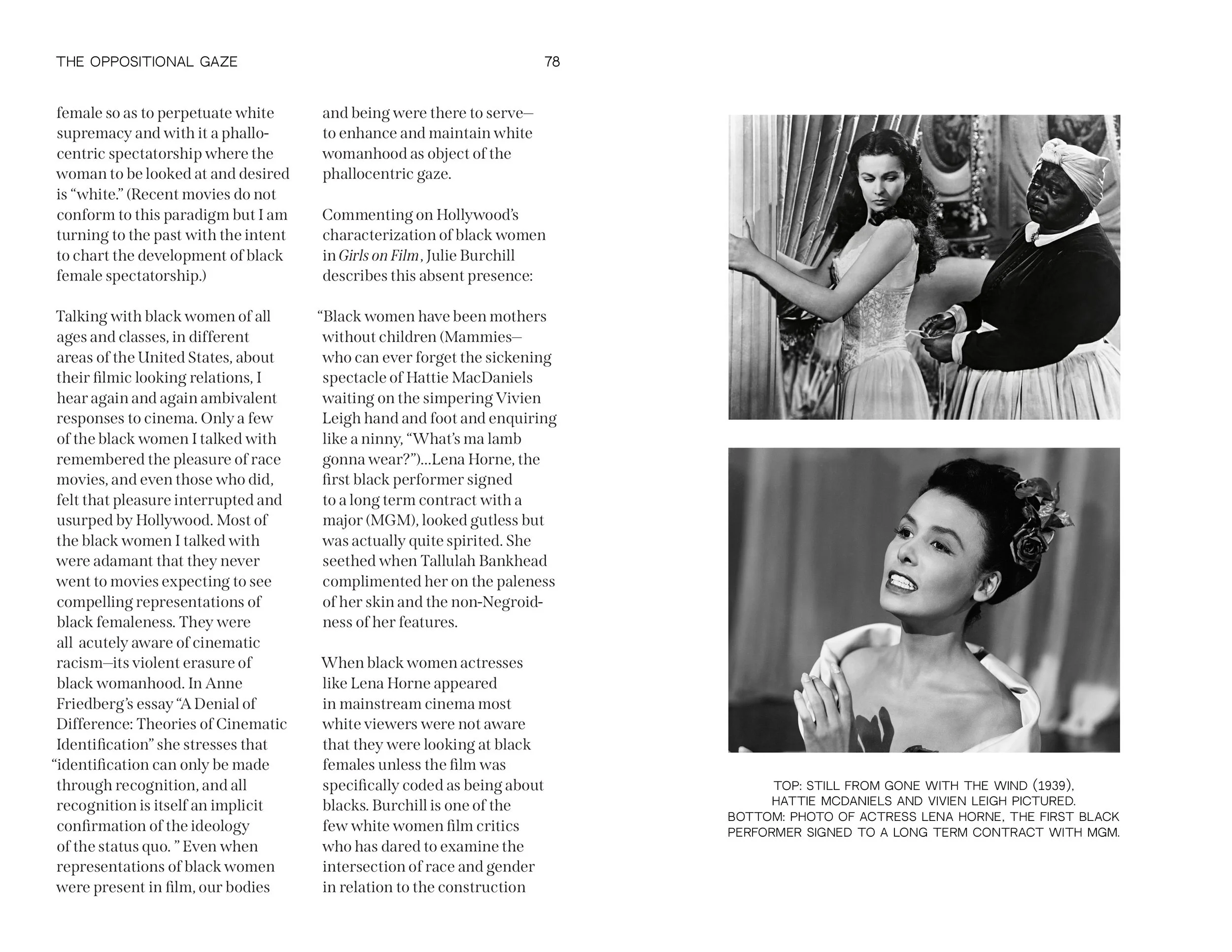
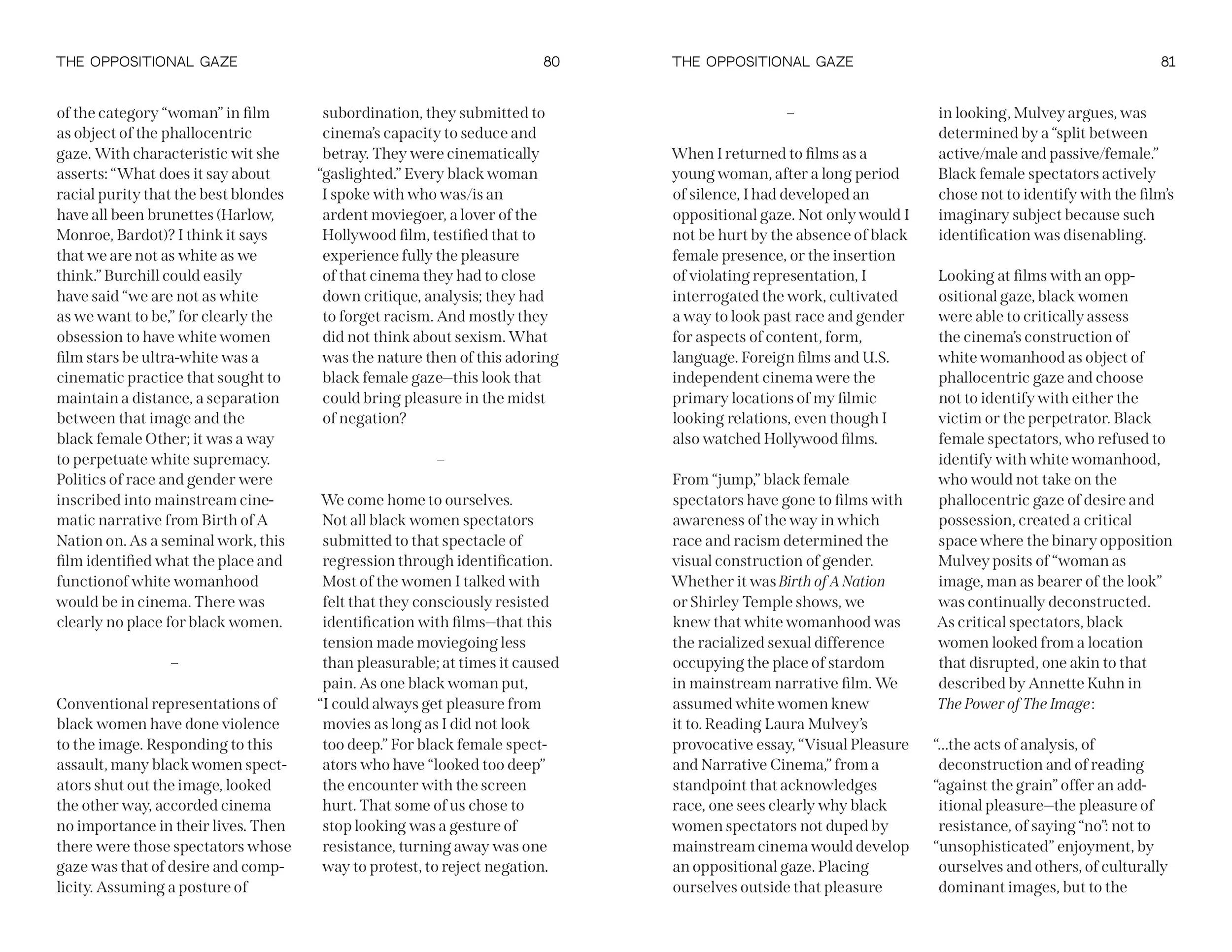
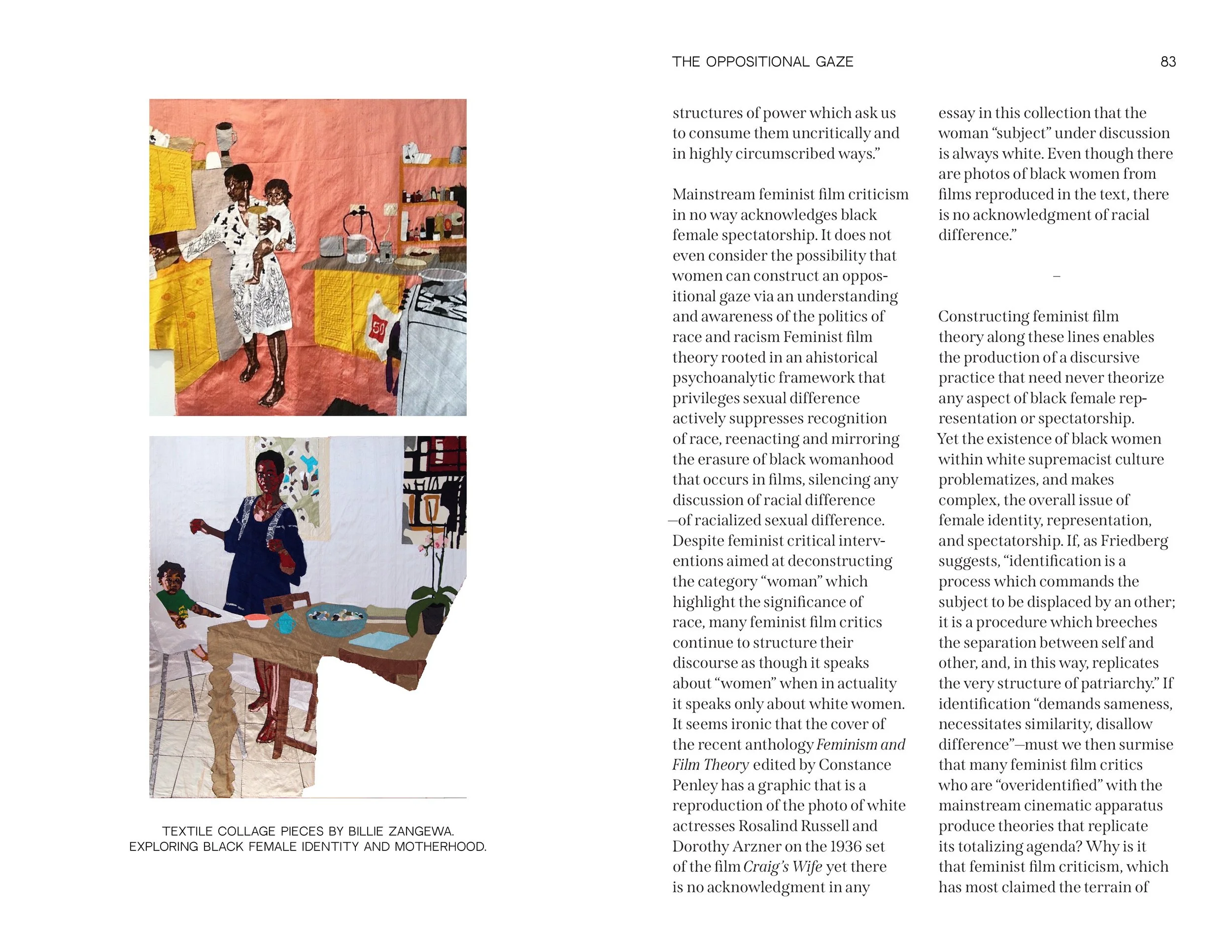
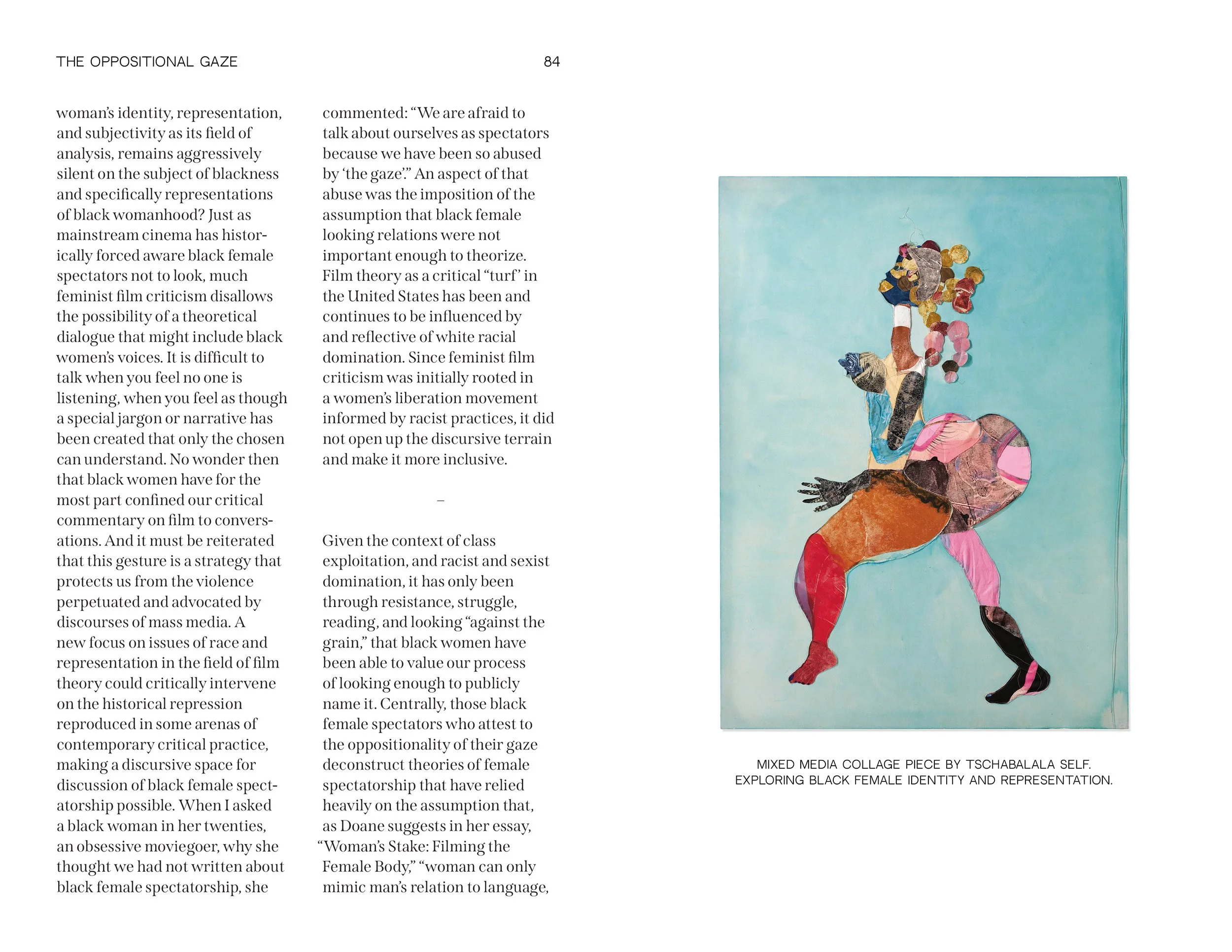
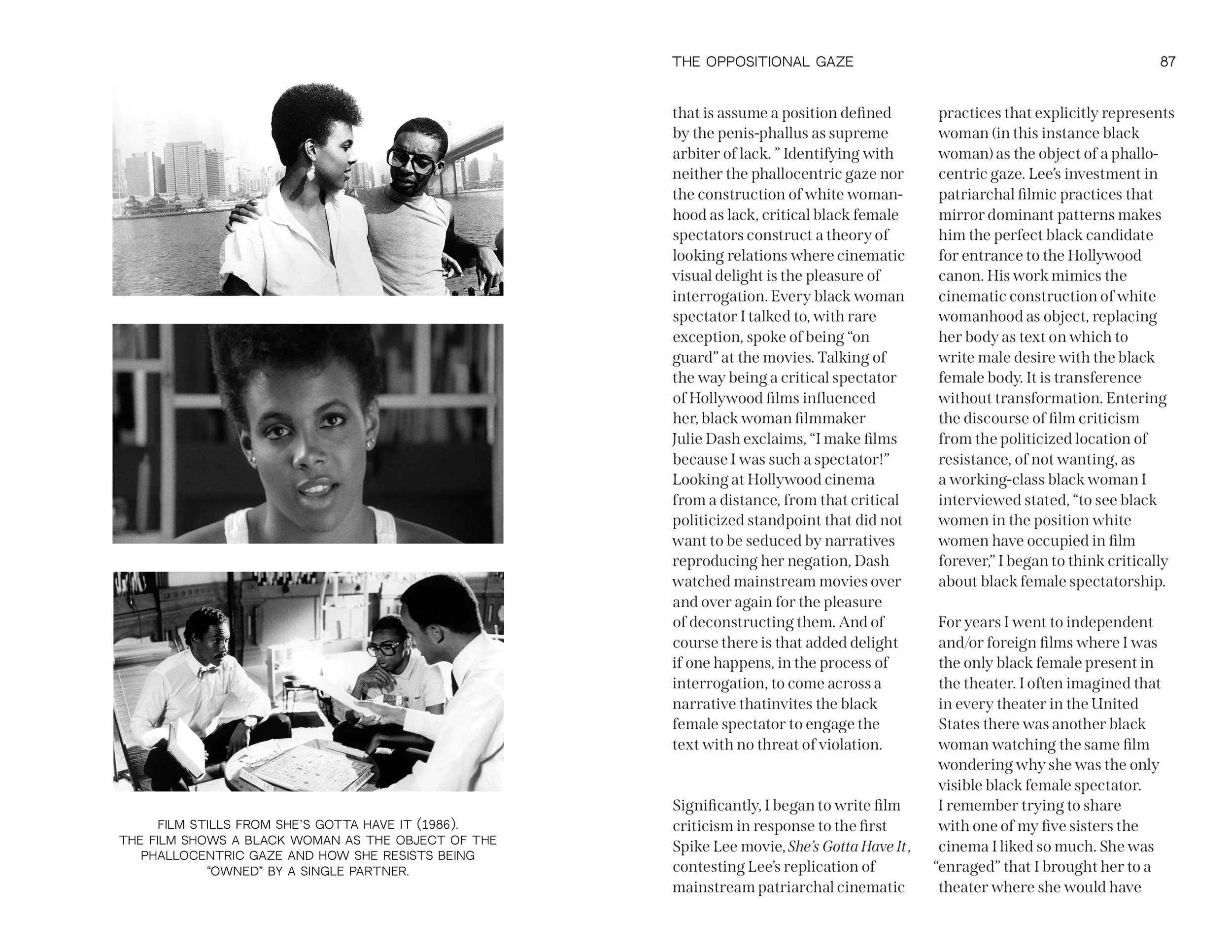
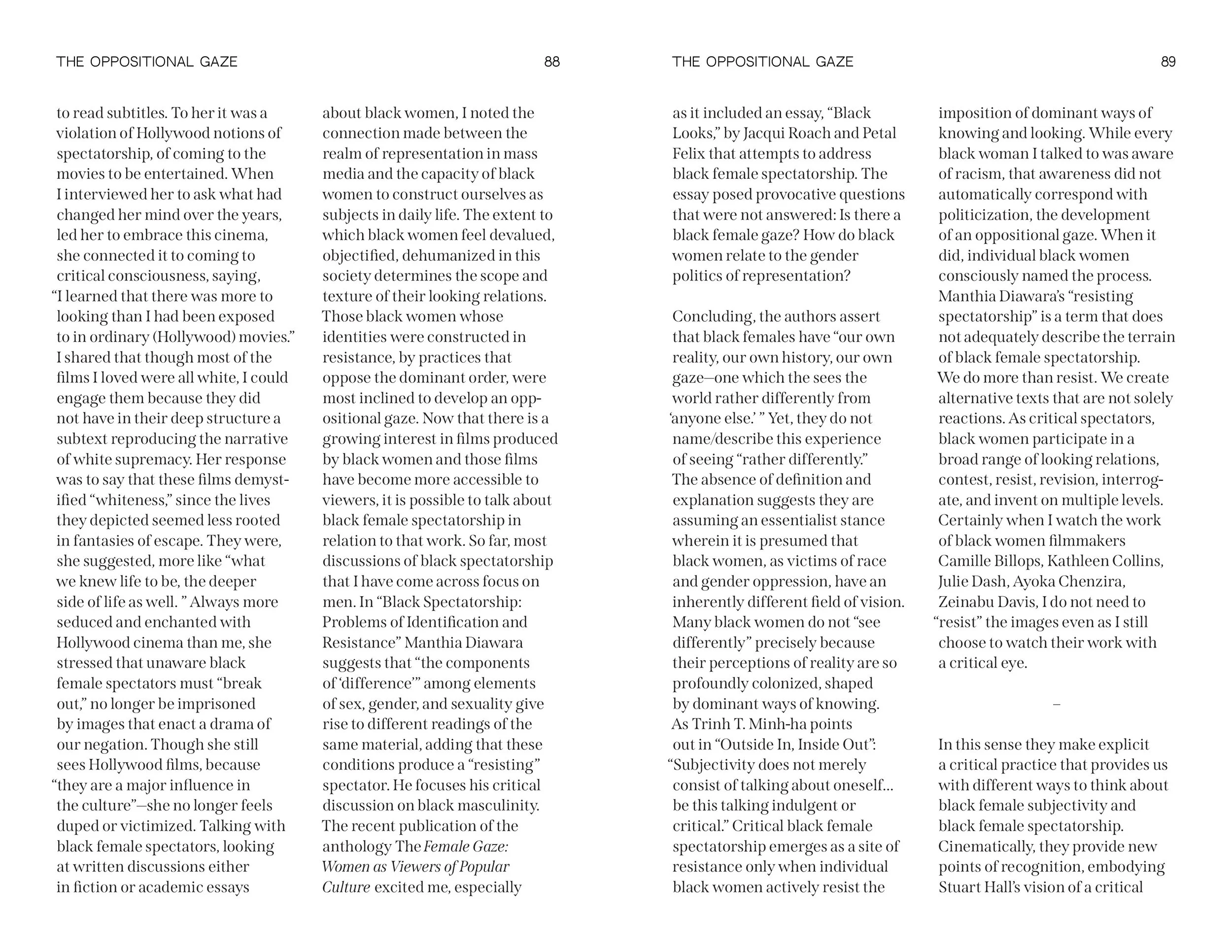
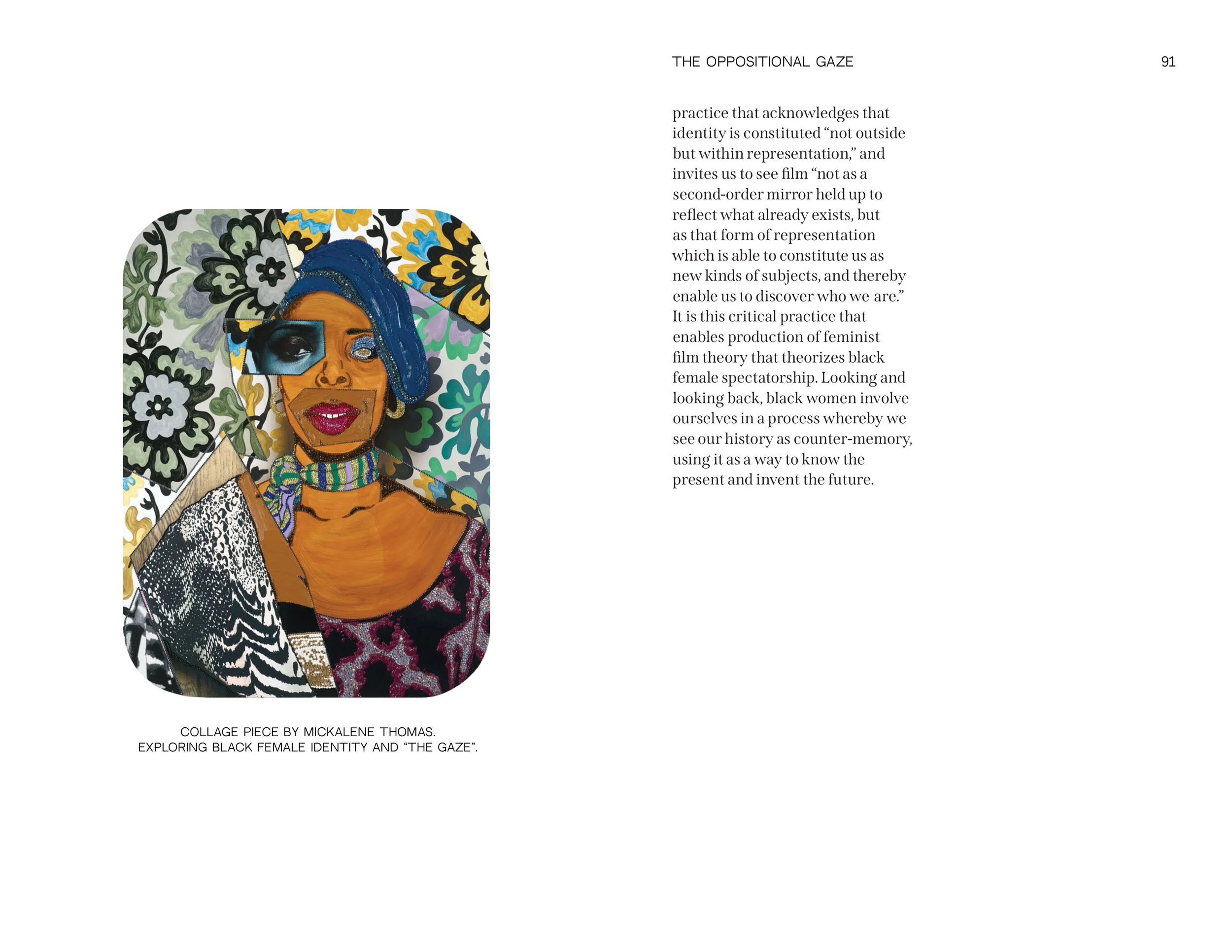
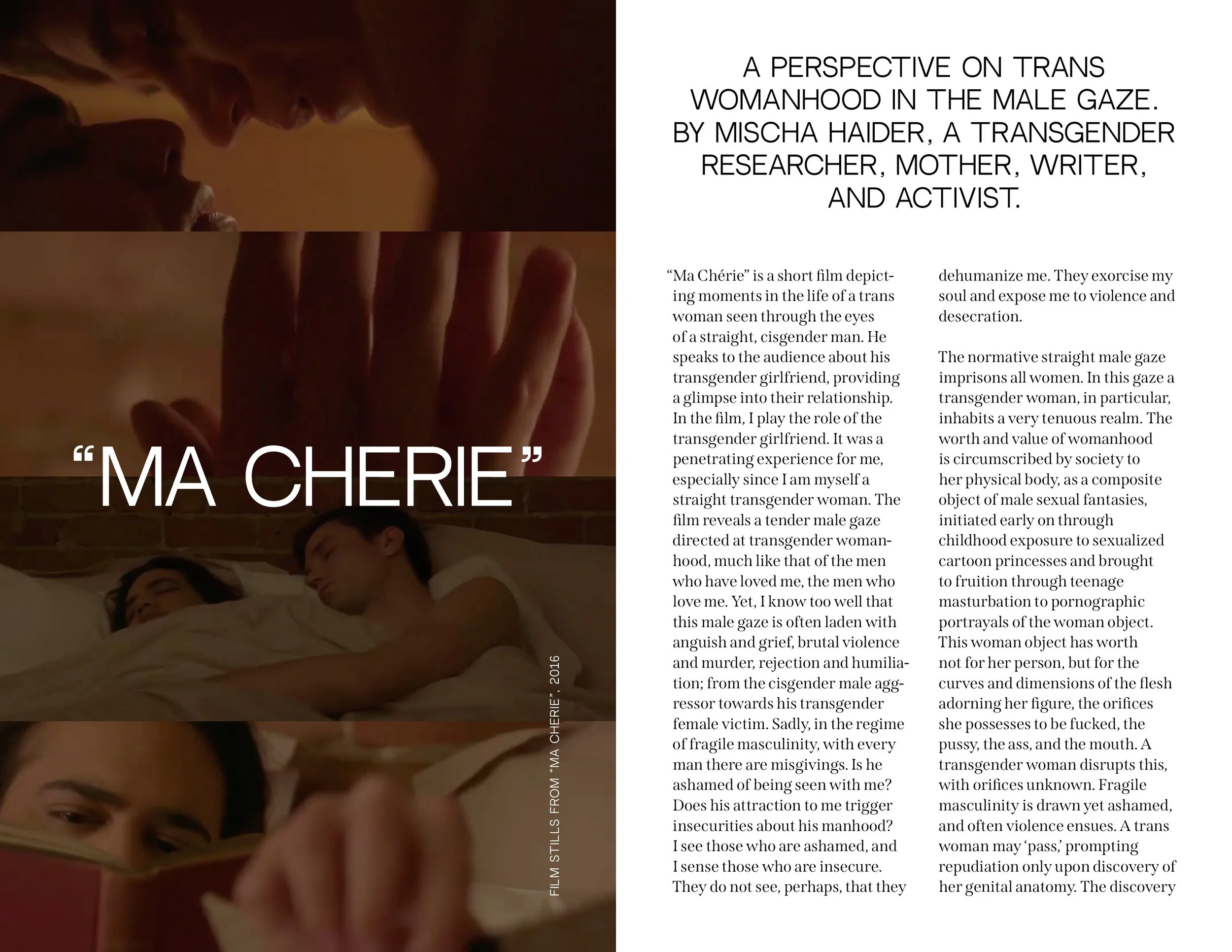
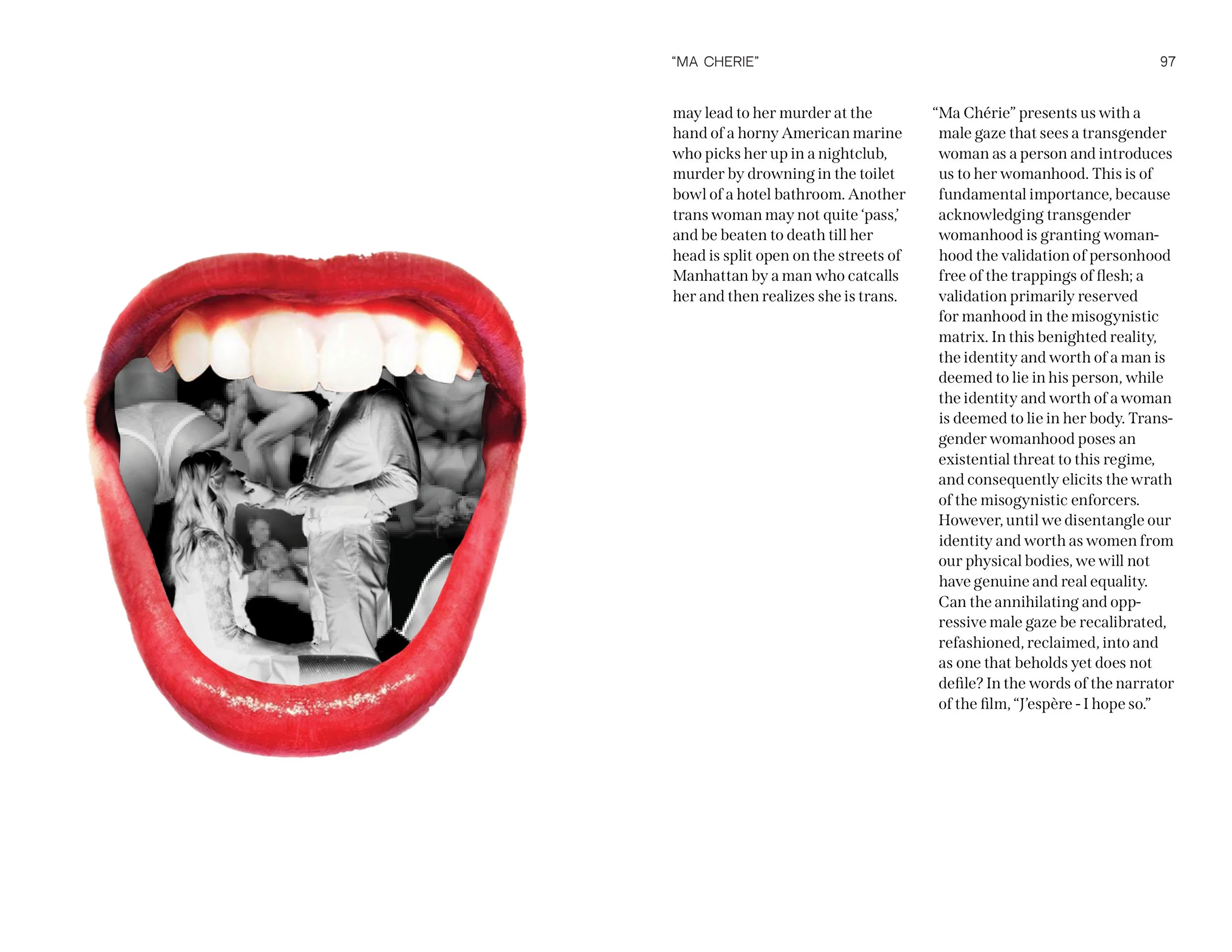


Challenge: The challenge was to integrate a wide range of source material—including articles, interviews, academic essays, manifestos, and visual essays—into a cohesive publication that encouraged critical reflection while remaining engaging to read. The project evolved through four process books before reaching its final form.

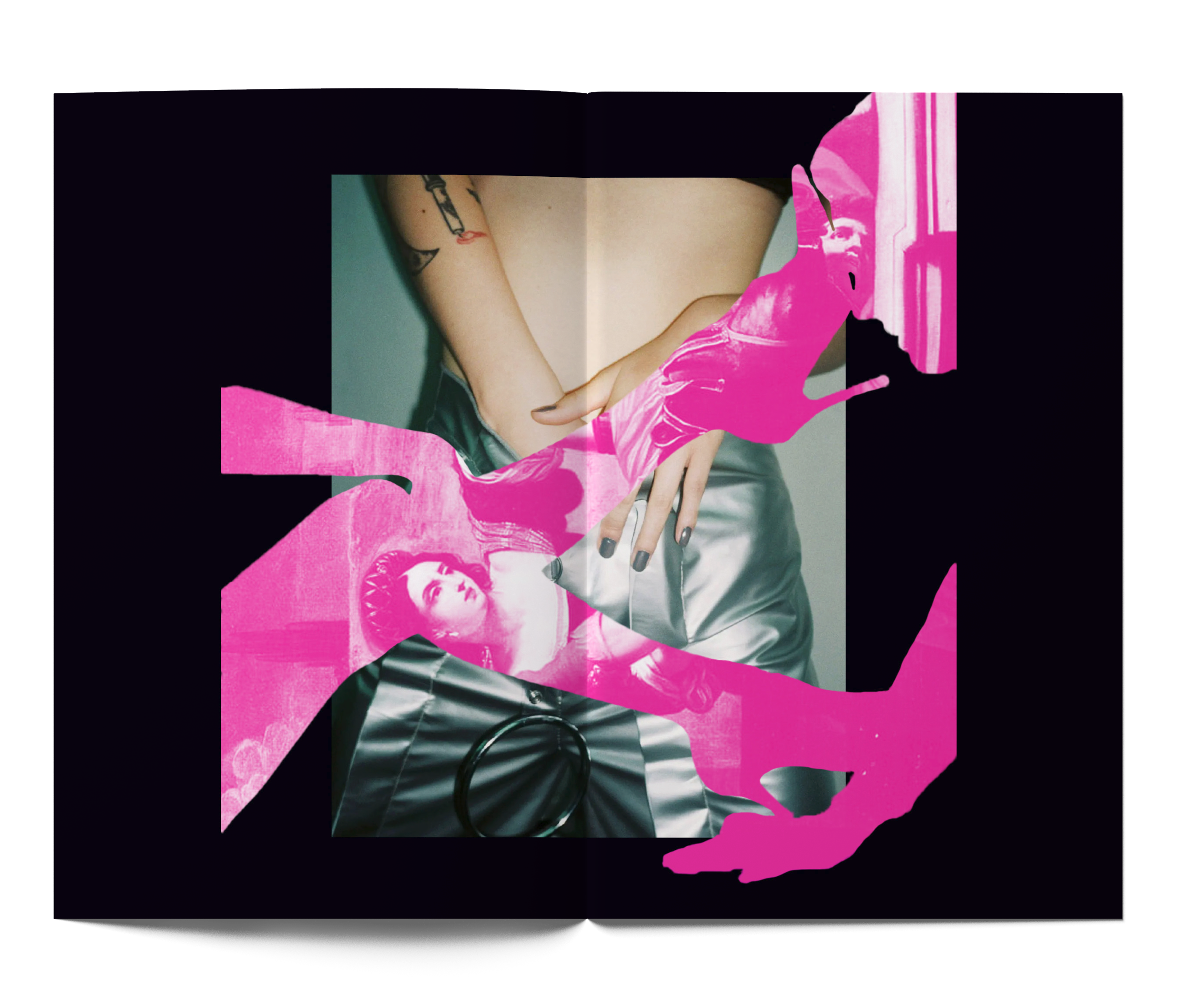
Audience: The publication was designed for readers interested in feminist theory, contemporary art, visual culture, and editorial design. It targets audiences who appreciate research-driven publications that combine critical writing with expressive visual storytelling, including students, designers, artists, and cultural practitioners.


Approach: The publication uses a consistent grid system while allowing each section to develop its own visual identity through typography, pacing, and composition. Different content types—articles, interviews, academic essays, and manifestos—are treated with distinct typographic approaches to reflect their tone and purpose while maintaining cohesion throughout the book. Collage, image sequencing, and varied layouts create moments of visual rhythm that reinforce the themes of identity, representation, and the female gaze.

Outcome: The final publication transforms extensive research into a cohesive editorial experience that combines conceptual inquiry with expressive design. By integrating typography, collage, image sequencing, and editorial pacing, the book invites readers to examine the cultural construction of the female gaze while demonstrating advanced skills in publication design, visual systems, information hierarchy, and research-driven storytelling.
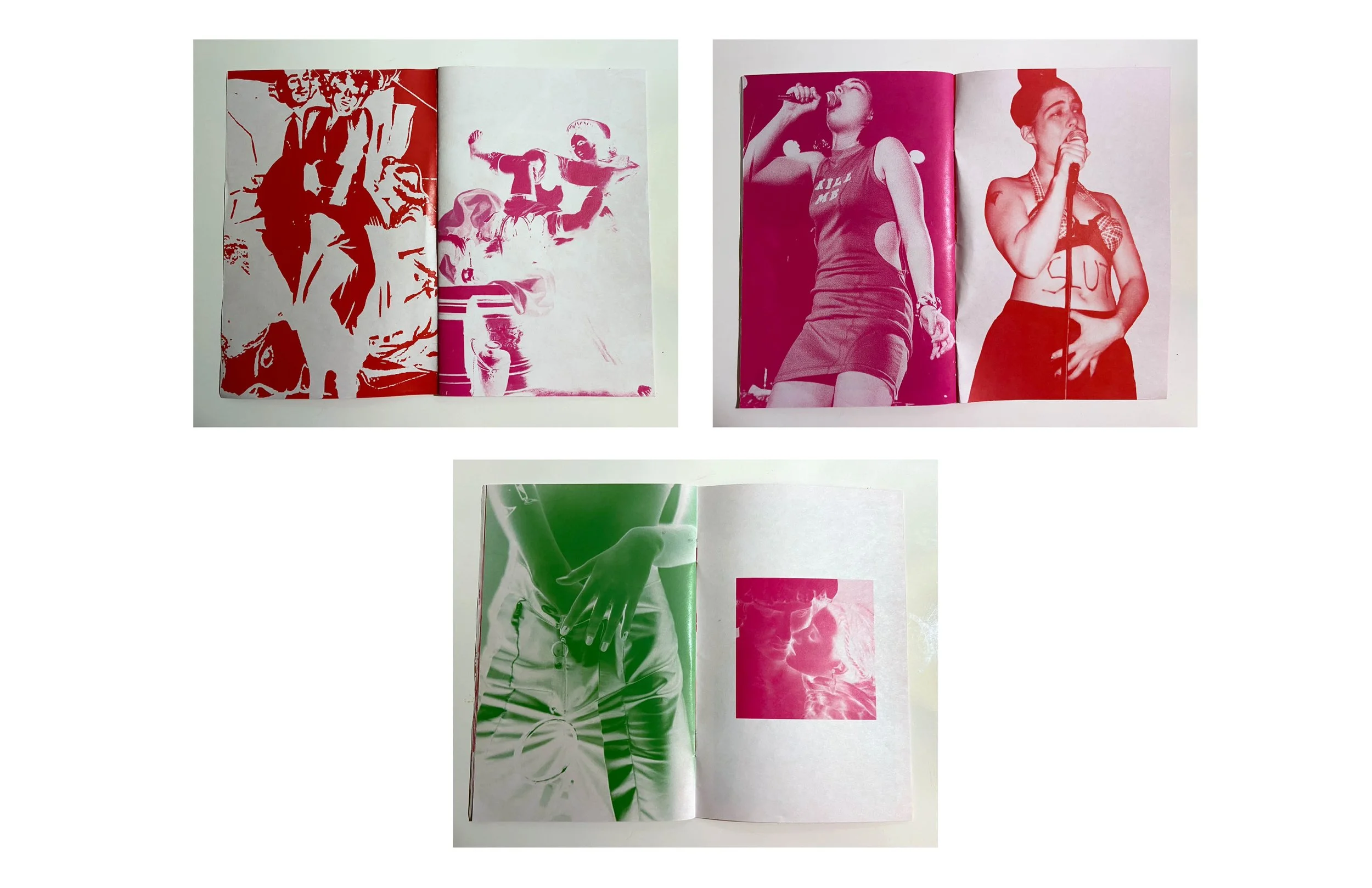
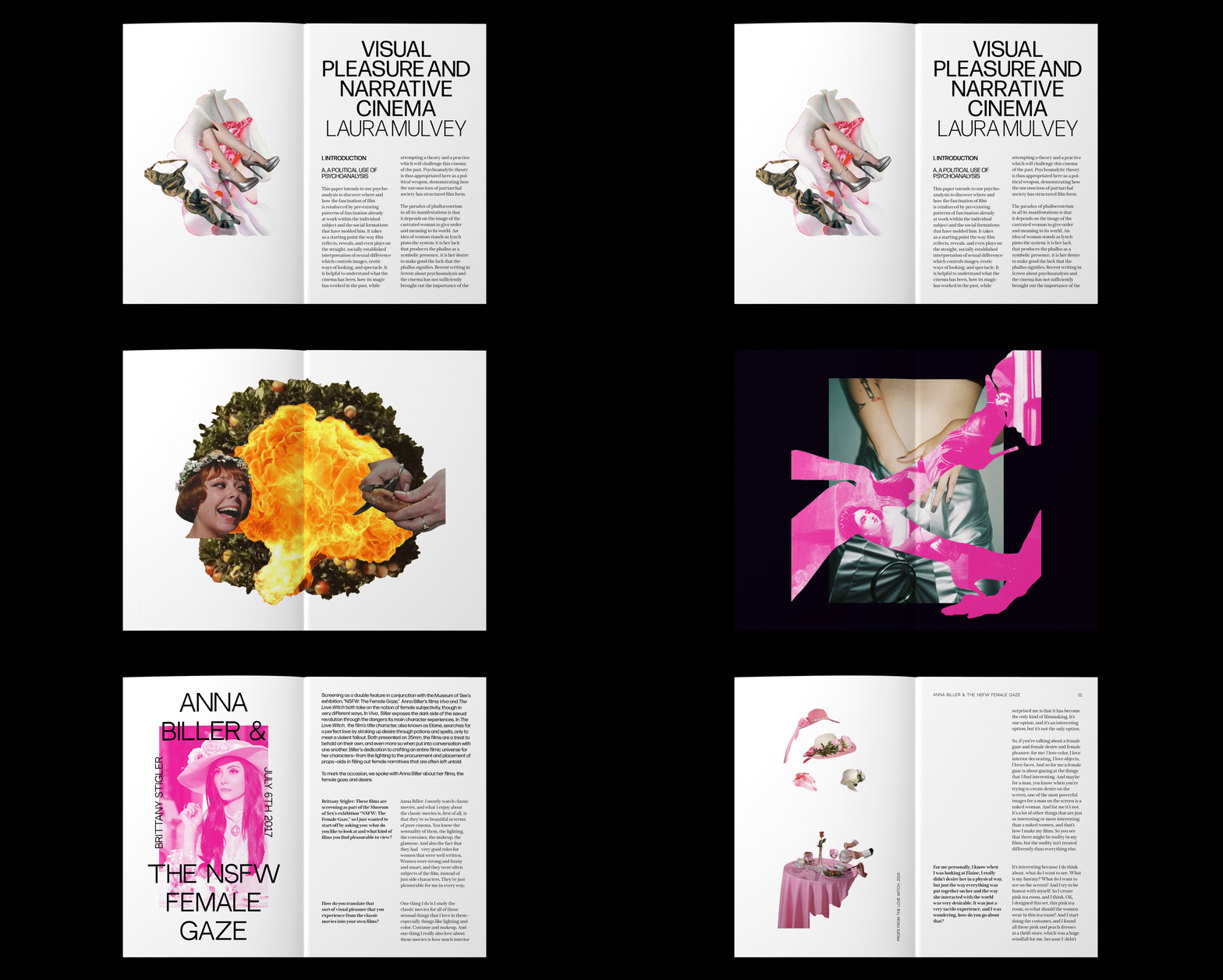
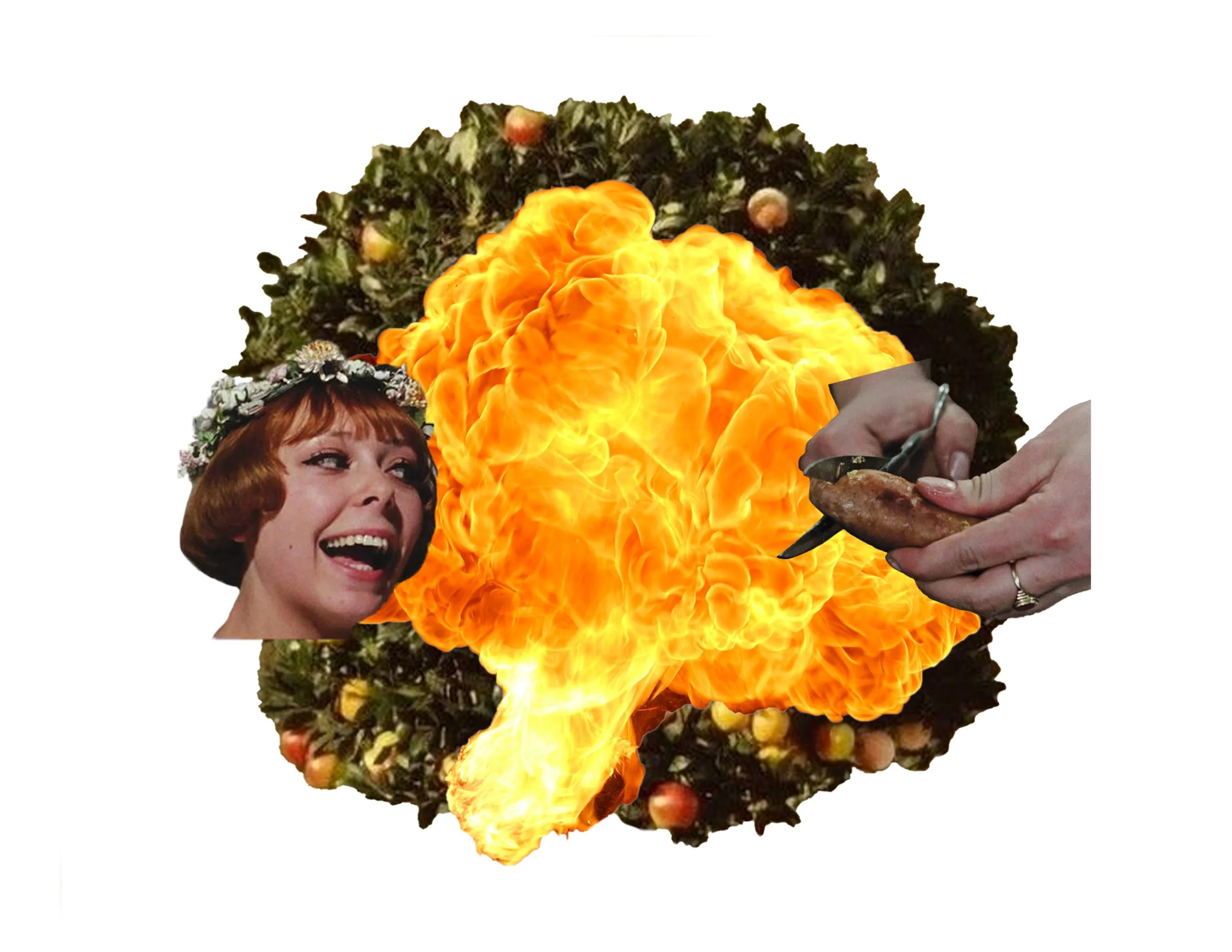
The book development process included four process zines. Shown above are spreads from the first zine, a visual essay. As the project progressed, I challenged myself to explore alternative approaches to image-making, leading to an expanded investigation of collage as a visual storytelling technique.

Shown above are spreads from the second process zine, an interview. This stage of the project significantly strengthened my understanding of typesetting and editorial layout. It also challenged me to refine my typographic decisions by addressing issues such as rivers, widows, and orphans.

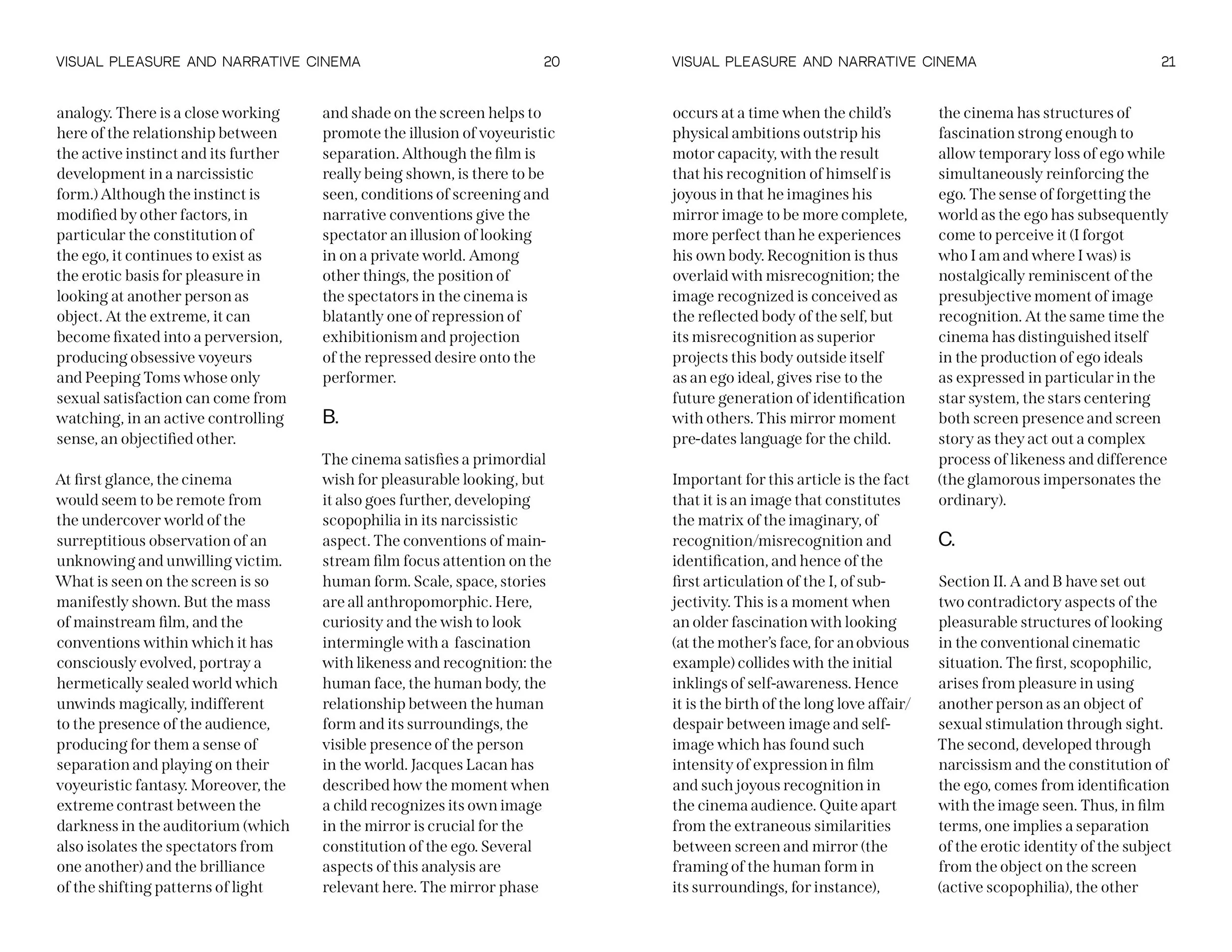
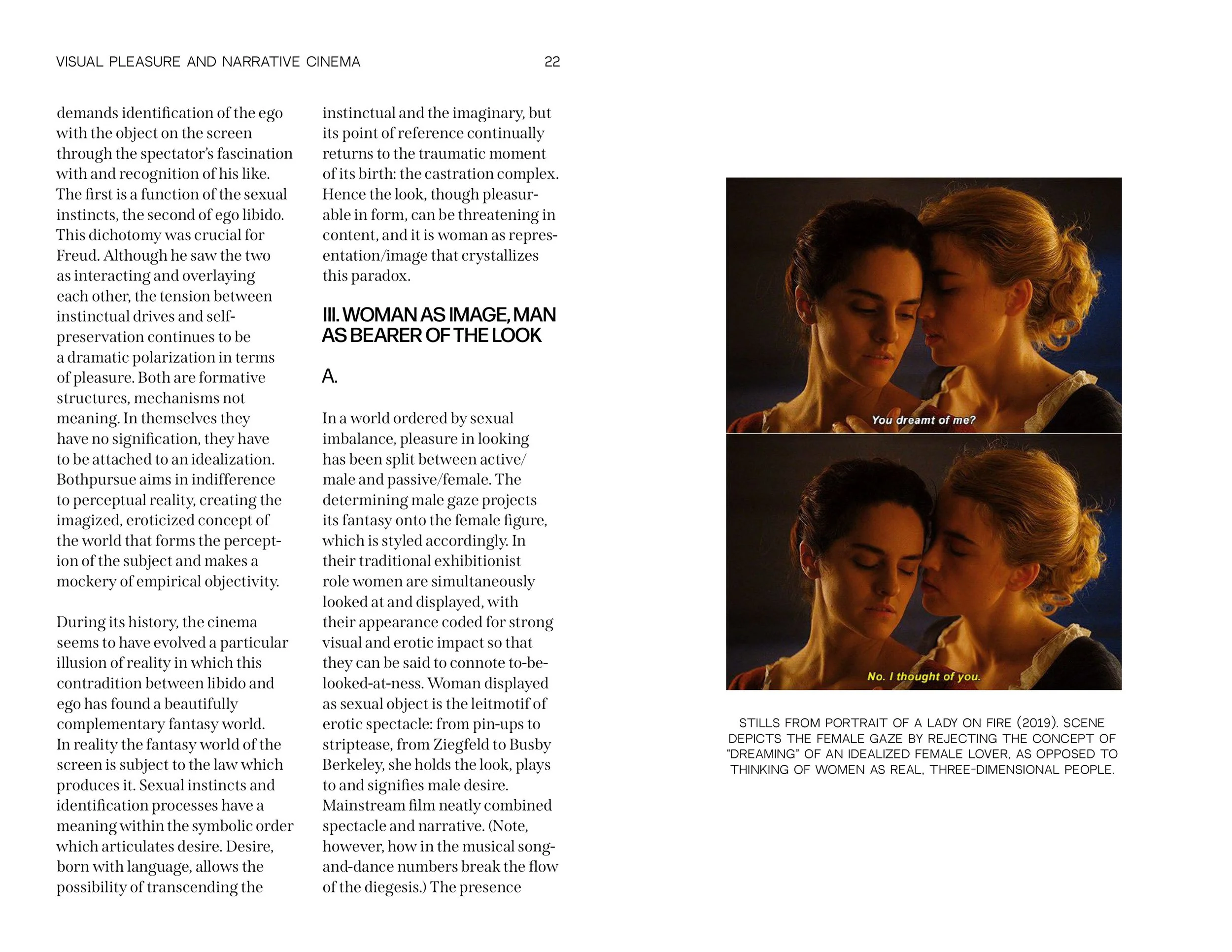
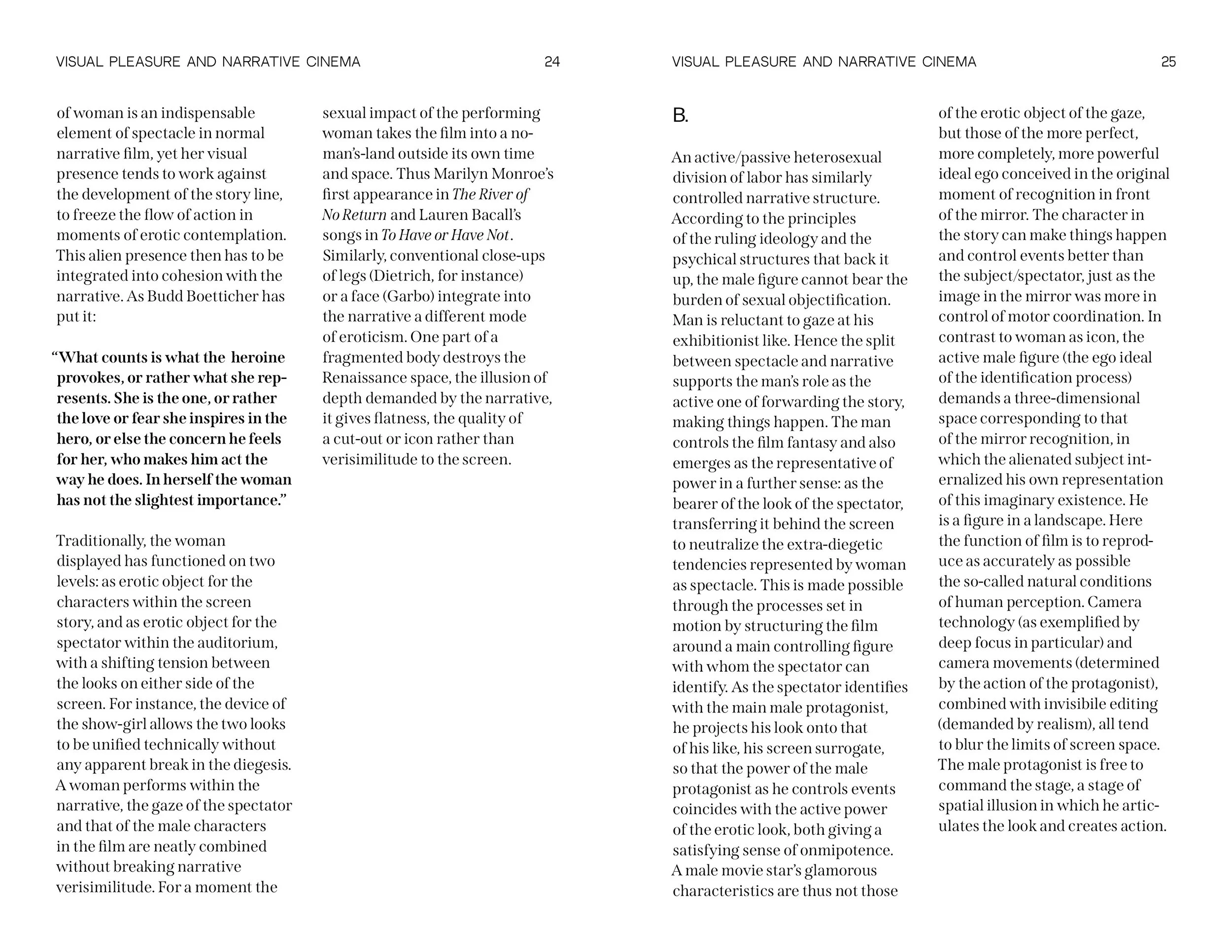
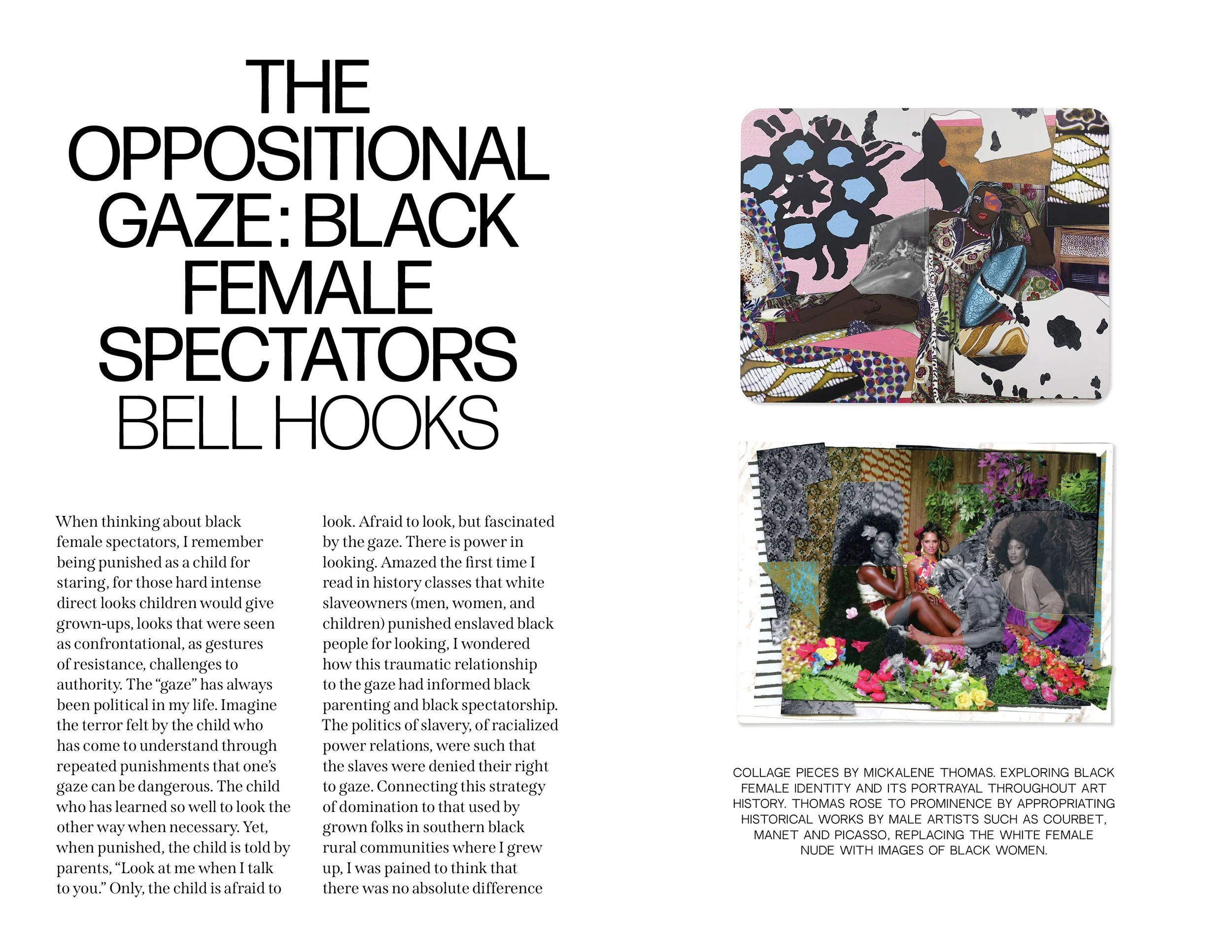
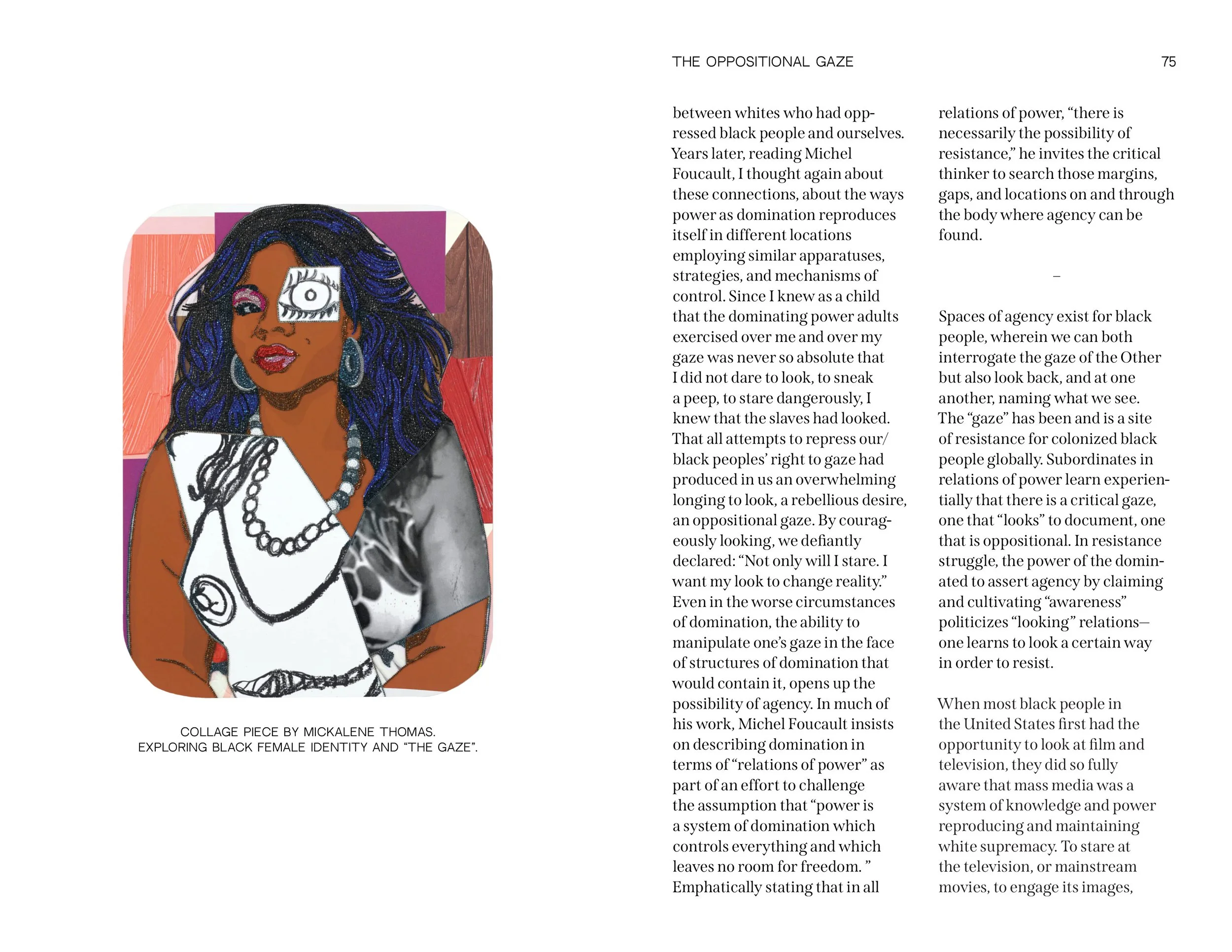
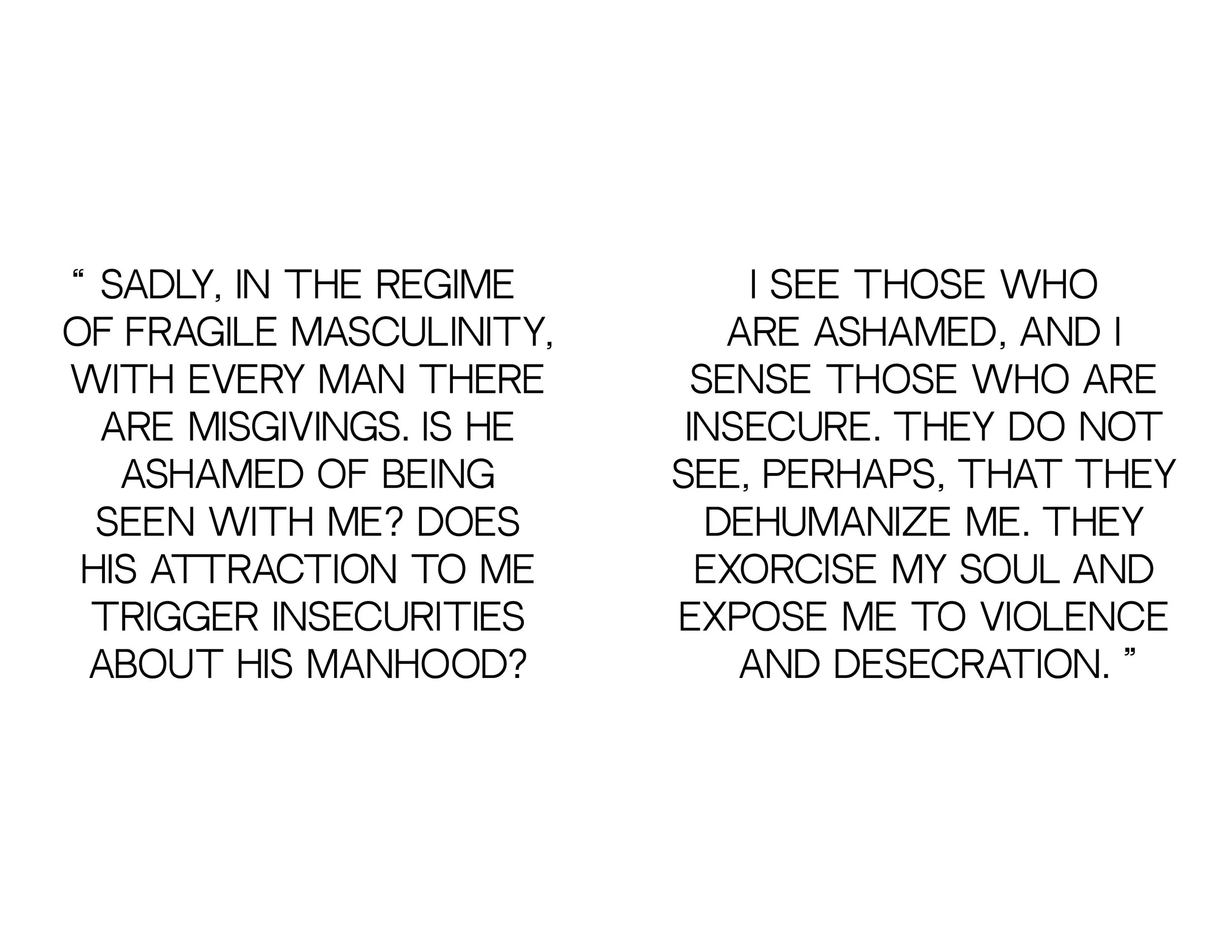
The final book is organized into four content categories—articles, interviews, academic essays, and manifestos/songs—each distinguished through its own typographic and visual treatment while maintaining consistency within a unified grid system. Shown above are sample typographic spreads developed for the academic essays. Through iterative exploration, I combined the strongest elements from all three compositions to create the final layout used throughout the book.

Shown above are sample spreads developed for the article section of the book. These explorations informed the final editorial layout, helping establish a typographic system that balances readability, hierarchy, and visual interest while remaining consistent with the book's overall grid.

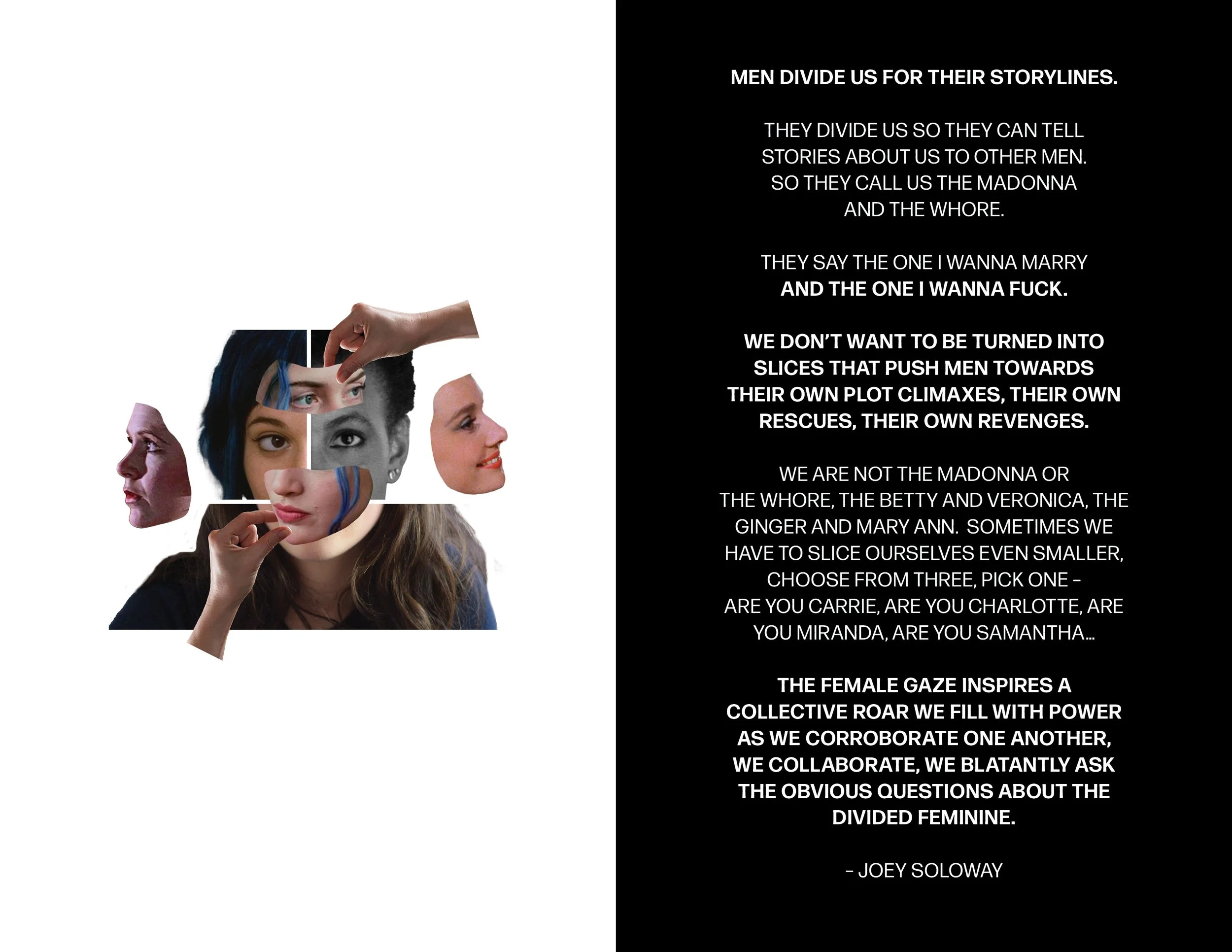
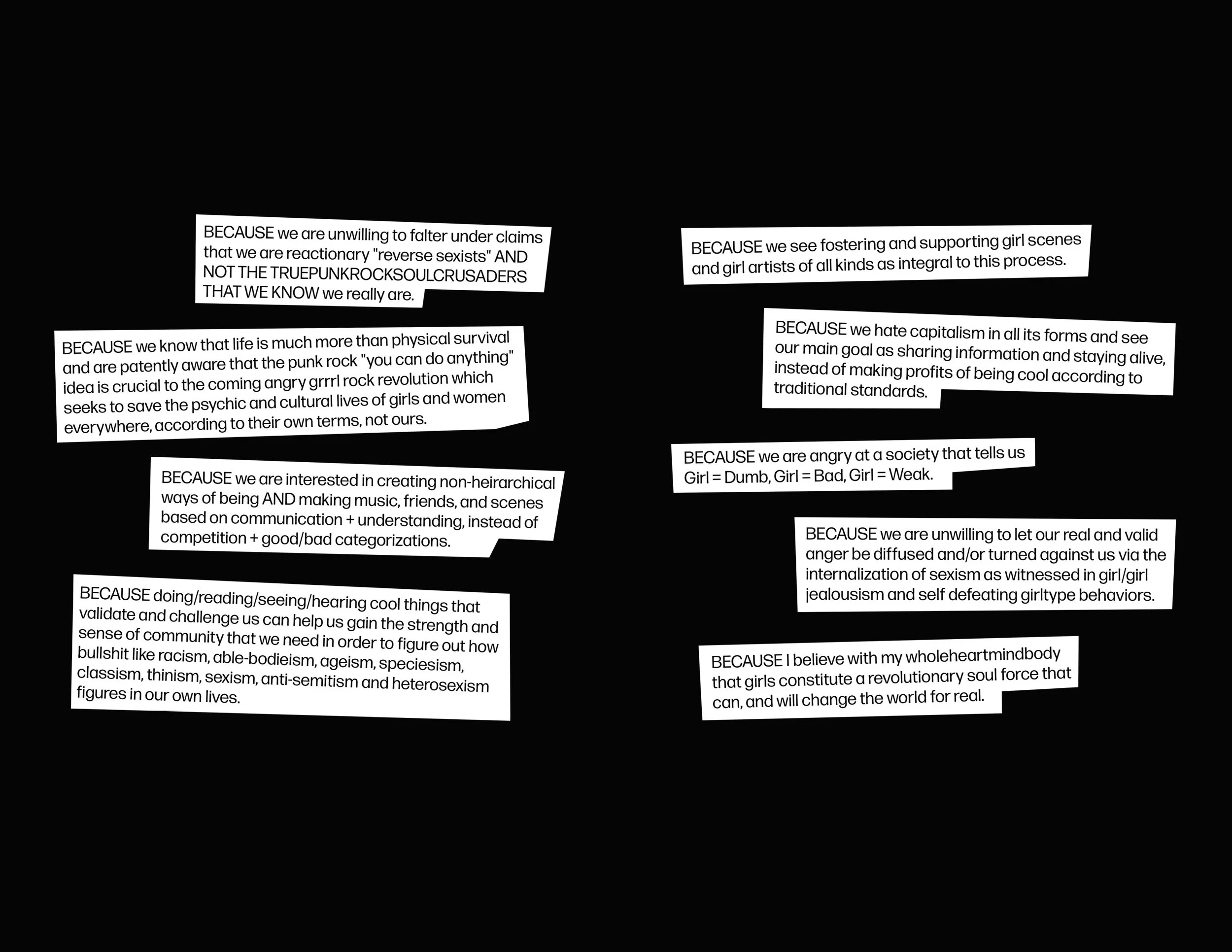
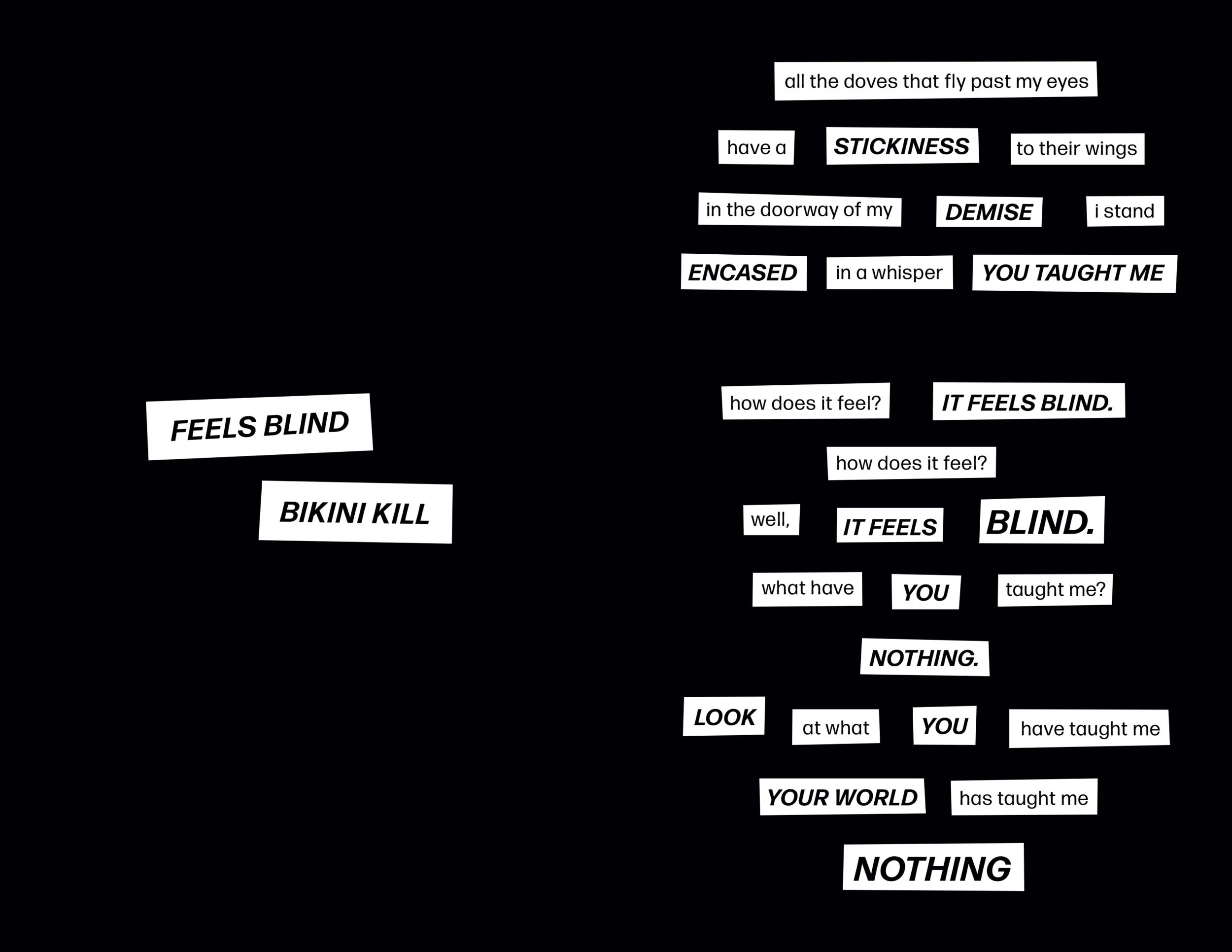
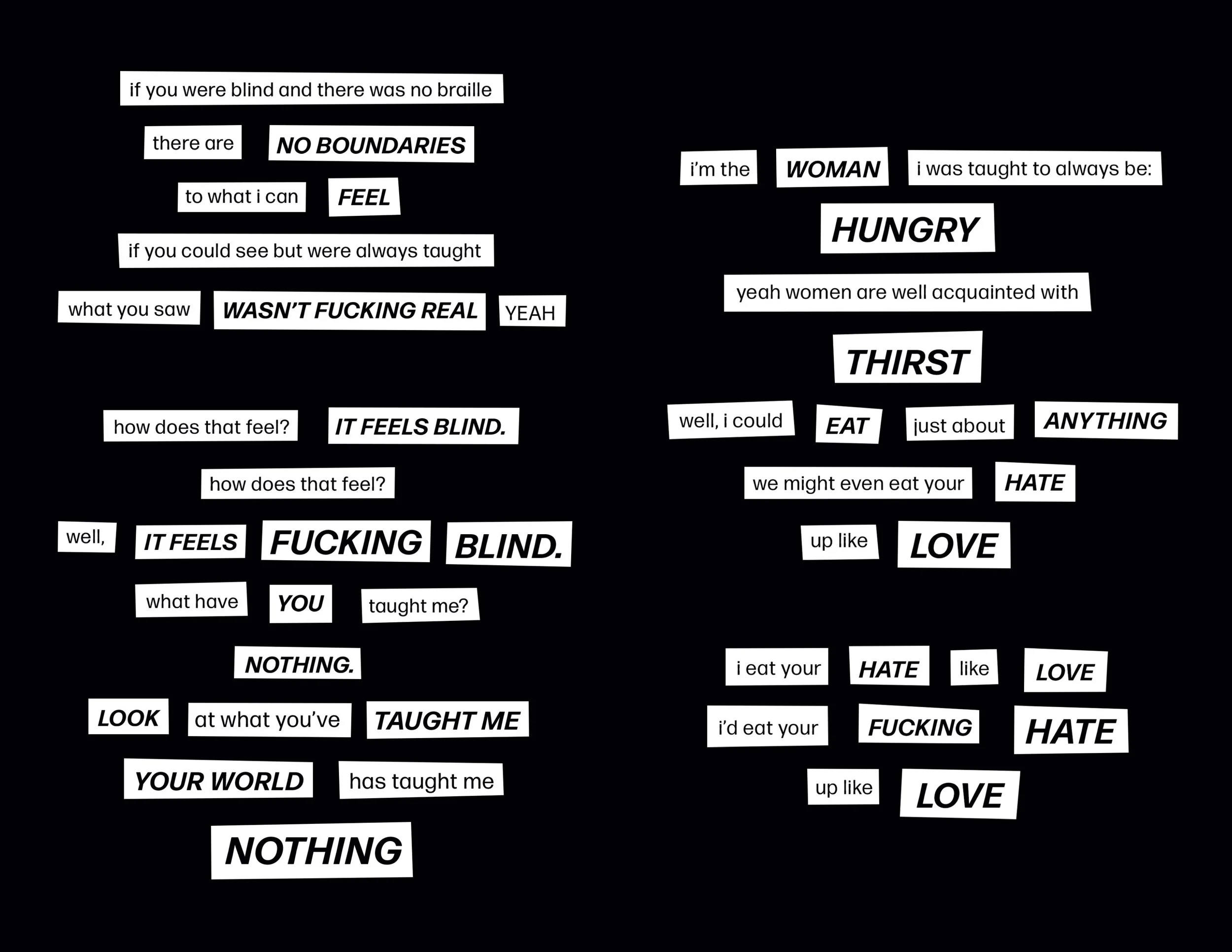
Shown above are sample spreads developed for the manifesto and song section of the book. These explorations informed the final layout by emphasizing expressive typography and dynamic composition, allowing the content's rhythm and emotional tone to shape the visual experience while remaining cohesive within the book's overall grid system.

Shown above is the original book map created for the third process zine. While this version closely resembles the structure of the final book, I was encouraged to revisit the project's pacing and overall layout, refining the sequencing and flow to create a more cohesive reading experience in the final publication.

Shown above is the final book map, reflecting the refined pacing and structure of the publication. In the final iteration, the visual essay was distributed throughout the book rather than presented as a single section, creating a more balanced rhythm and allowing the imagery to function as a continuous visual narrative alongside the written content.